Eco-Friendly Flooring Options Sustainable Choices for a Greener Home
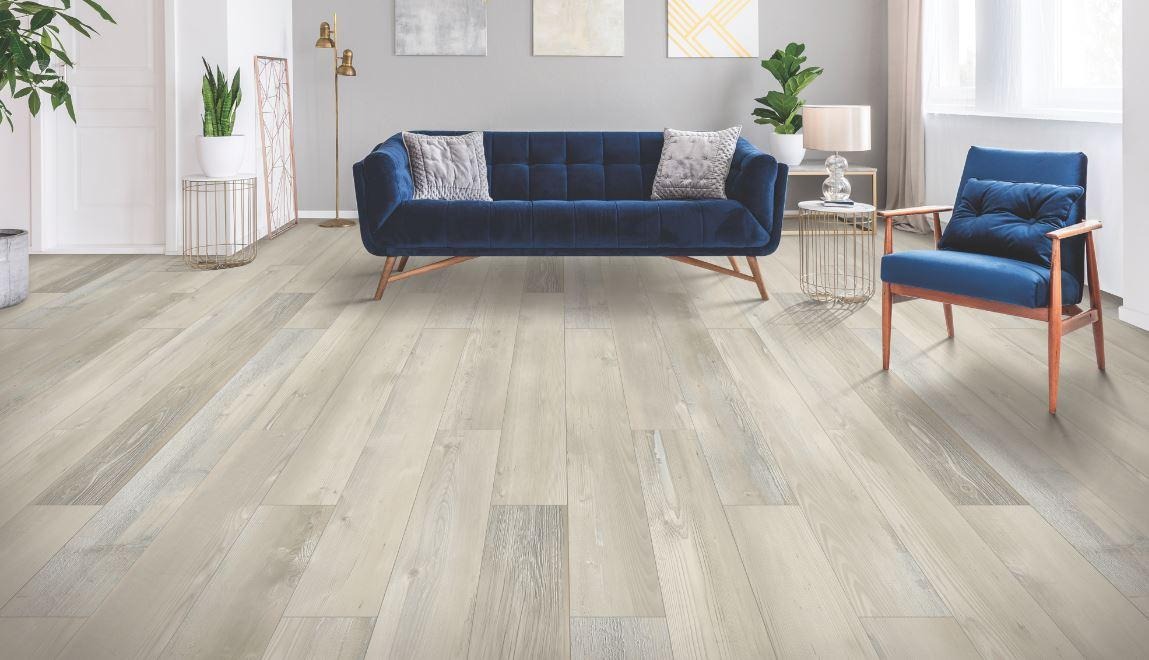
As environmental awareness grows, homeowners are increasingly seeking ways to make their homes more sustainable. One of the most impactful choices is the flooring you install. Traditional flooring materials often come with significant environmental costs—from deforestation for hardwood to chemical-intensive manufacturing for synthetic options. Fortunately, eco-friendly flooring solutions offer a stylish, durable, and sustainable alternative. In this guide, we explore some of the best eco-friendly flooring options, their benefits, and why they’re an excellent choice for a greener home.
Why Choose Eco-Friendly Flooring?
Eco-friendly flooring isn’t just about reducing your carbon footprint—it also contributes to healthier indoor environments and long-term cost savings. Some of the key advantages include:
Sustainability: Many eco-friendly materials are renewable or recycled, reducing the demand for new natural resources.
Indoor Air Quality: Low-VOC and natural materials minimize toxins and improve air quality.
Durability: Sustainable materials like bamboo and cork are often surprisingly durable, ensuring long-lasting performance.
Aesthetic Appeal: Modern eco-friendly flooring options come in a variety of styles, textures, and colors to suit any interior.
Choosing environmentally responsible flooring helps homeowners align style with sustainability while making a positive impact on the planet.
Bamboo Flooring: The Fast-Growing Hardwood Alternative
Bamboo flooring has gained massive popularity as a renewable, eco-friendly alternative to traditional hardwood.
Benefits of Bamboo Flooring:
Rapidly Renewable: Bamboo can grow to maturity in 3–5 years, compared to decades for hardwood trees.
Durable and Strong: High-quality bamboo flooring can rival oak in hardness.
Versatile Aesthetics: Available in light, medium, and dark finishes to suit modern and traditional interiors.
Low Maintenance: Simple sweeping and occasional mopping keeps it looking fresh.
Bamboo flooring is ideal for living rooms, bedrooms, and even offices, offering a warm, natural look with minimal environmental impact.
Cork Flooring: Comfort Meets Sustainability
Cork is another renewable material harvested from the bark of cork oak trees without harming the tree. It’s highly sustainable and naturally eco-friendly.
Why Choose Cork Flooring:
Renewable and Biodegradable: Harvesting cork doesn’t require cutting down trees.
Comfortable and Quiet: Soft underfoot and excellent for noise insulation.
Hypoallergenic: Resistant to mold, mildew, and dust mites.
Durable: High-quality cork flooring can last for decades with proper care.
Cork is perfect for bedrooms, playrooms, and home offices, providing warmth and comfort alongside eco-conscious design.
Reclaimed Wood Flooring: Stylish and Sustainable
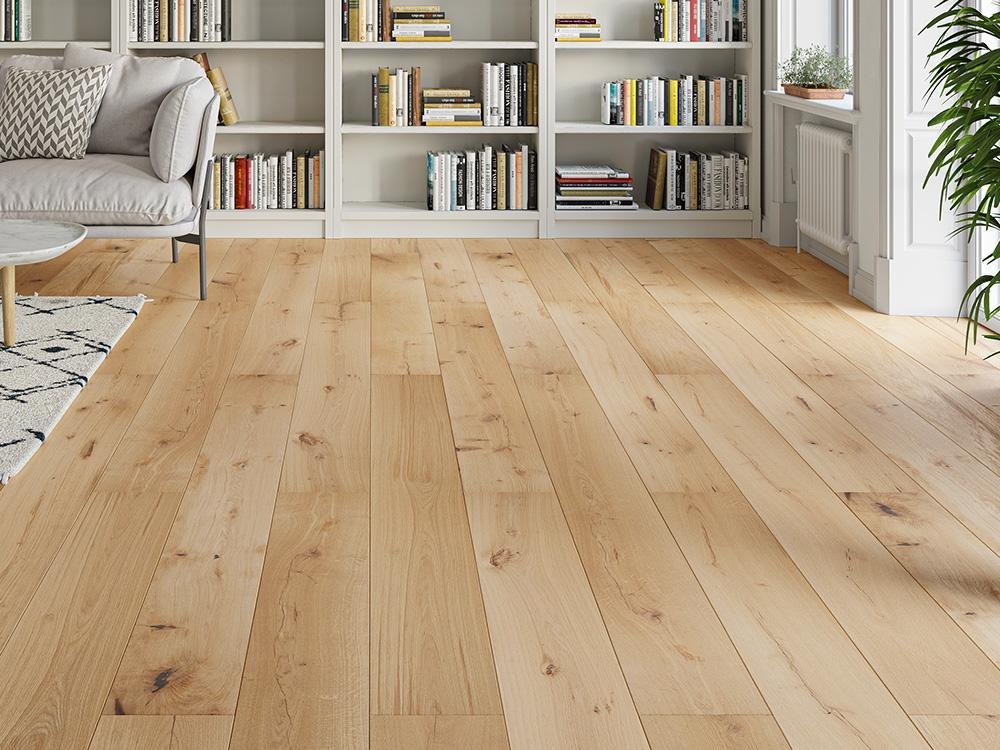
Reclaimed wood flooring takes previously used wood and gives it a second life. This reduces the demand for new timber and preserves old-growth forests.
Advantages of Reclaimed Wood:
Environmentally Responsible: Keeps wood out of landfills and reduces deforestation.
Unique Character: Weathered textures, patinas, and imperfections add character to your home.
High Durability: Older wood is often denser and harder than newly harvested timber.
Reclaimed wood flooring works beautifully in living rooms, dining areas, and accent walls, offering rustic charm while promoting sustainability.
Linoleum Flooring: Natural and Long-Lasting
Despite being less common today, linoleum is making a strong comeback as a natural, biodegradable flooring option. Made from linseed oil, wood flour, and natural pigments, it’s eco-friendly and highly durable.
Benefits of Linoleum Flooring:
Biodegradable: Completely natural and environmentally safe.
Durable and Resilient: Can last 20+ years with proper care.
Variety of Styles: Available in multiple colors and patterns to suit any décor.
Low Maintenance: Resistant to stains and easy to clean.
Linoleum is suitable for kitchens, hallways, and living rooms, providing a practical and eco-conscious solution.
Recycled and Upcycled Flooring Materials
For homeowners looking to make the boldest environmental choice, recycled flooring materials offer excellent options. These include:
Recycled Glass Tiles: Made from post-consumer glass bottles and jars.
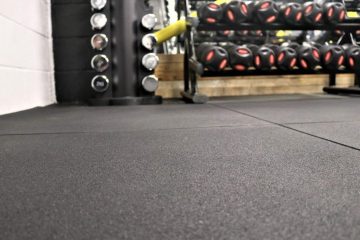
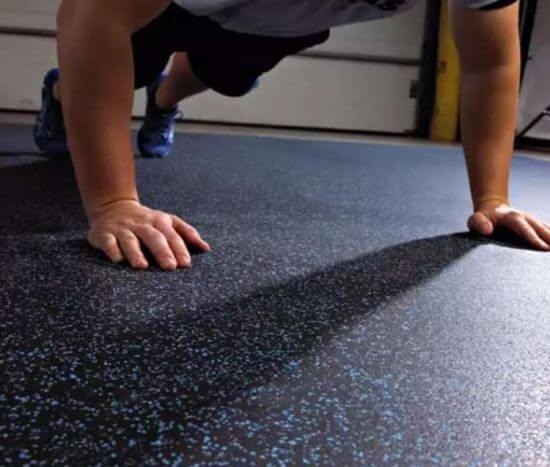
Recycled Rubber Flooring: Perfect for gyms, playrooms, or outdoor spaces.
Engineered Wood with Recycled Core: Offers the look of hardwood with less environmental impact.
Using recycled or upcycled materials reduces landfill waste and gives your home a unique, eco-friendly aesthetic.
Maintenance Tips for Eco-Friendly Flooring
Even sustainable flooring requires proper care to maximize its lifespan:
Regular Cleaning: Sweep or vacuum to remove dirt and grit.
Avoid Harsh Chemicals: Use natural or pH-neutral cleaners.
Protect from Moisture: Wipe up spills immediately on cork or bamboo surfaces.
Use Rugs and Mats: Reduce wear in high-traffic areas.
Proper maintenance ensures your eco-friendly flooring remains beautiful and functional for years, making it an excellent long-term investment.
Conclusion
Eco-friendly flooring offers a perfect blend of style, durability, and sustainability. From fast-growing bamboo and soft, insulating cork to reclaimed wood, natural linoleum, and recycled materials, there are options to suit every home, style, and budget. By choosing sustainable flooring Dubai, homeowners can reduce their environmental impact, create healthier indoor spaces, and enjoy long-lasting beauty and comfort.
Upgrading to eco-friendly flooring is more than just a design choice—it’s a step toward a greener, healthier future while enhancing the aesthetic and functional appeal of your home.