How to Maintain Rubber Flooring A Complete Guide for Stain-Free, Long-Lasting Floors
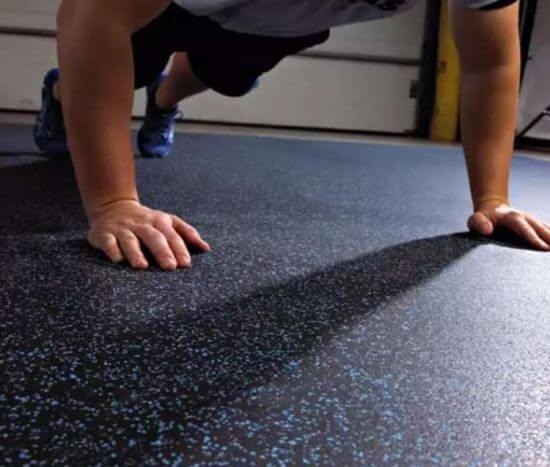
Rubber flooring has become one of the most popular flooring choices for homes, gyms, offices, and commercial spaces in . Its unmatched durability, slip resistance, comfort underfoot, and eco-friendly qualities make it a long-term investment. But like any flooring material, rubber also needs proper care to maintain its appearance and performance. Whether you’ve installed rubber tiles in your home gym, used rubber rolls in your commercial space, or added designer rubber flooring in your kitchen, knowing the right maintenance routine is essential to keep it stain-free and long-lasting.
In this guide, we’ll walk you through everything you need to know about rubber flooring care — from daily cleaning to stain removal, seasonal maintenance, and long-term protection. This maintenance guide is designed to be simple, practical, and effective for both homeowners and professionals.
Daily Cleaning: The Foundation of Long-Lasting Rubber Floors
Daily cleaning doesn’t require anything fancy — just consistency. Dust, dirt, and small debris can act like abrasive particles. If they stay on the floor for too long, they can scratch the surface or lead to dullness over time.
Start by sweeping or vacuuming your rubber flooring at least once a day, especially in high-traffic areas like home gyms, hallways, or commercial workout spaces. Make sure the vacuum you use has a non-beater brush setting, as aggressive brushes may damage the flooring texture. If it’s a smooth-surface rubber floor, even a microfiber dust mop works perfectly.
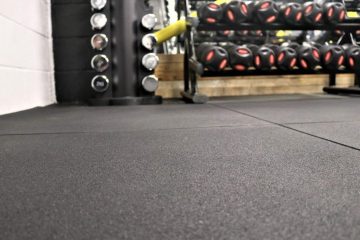
For home gyms, rubber tiles often accumulate chalk-like dust, crumbs, or mud from shoes. Installing a doormat at the entrance helps keep dirt out, reducing cleaning time. For commercial spaces, daily vacuuming is non-negotiable to maintain hygiene and prevent friction damage.
Weekly Wet Cleaning for a Fresh and Polished Look
While daily dry cleaning removes dust, weekly wet cleaning lifts away oils, sweat, spills, and light stains that settle deeper into the flooring. This step keeps the surface fresh and prevents dullness.
Use a bucket of warm water mixed with a mild pH-neutral floor cleaner. Avoid using harsh chemical detergents, bleach-based solutions, or acids like vinegar — these can break down the rubber’s elasticity and cause discoloration. Mop the floor using a damp mop (not soaking wet). Excess water can seep between tiles or edges, especially in interlocking rubber flooring, which may compromise the adhesive or create moisture pockets.
Allow the floor to air-dry completely after mopping. If you want a more polished look, finish the floor with a dry microfiber mop after drying. This helps restore its natural shine and removes any streaks left during the wet cleaning process.
Deep Cleaning: Monthly or Bi-Monthly Maintenance
For commercial gyms, childcare centers, or garages where rubber flooring faces higher traffic and heavy equipment usage, deep cleaning plays a crucial role in longevity.
Deep cleaning tools like auto-scrubbers or soft-brush floor machines can be used once or twice a month. Ensure the brush type is non-abrasive and designed for rubber surfaces. Use a gentle cleaning solution and run the machine slowly to allow enough time for the solution to react with stubborn grime. Rinse with clean water afterward and dry thoroughly.
If you notice any areas where sweat or oil stains are frequent, spot-treat them with a diluted neutral cleaner before deep cleaning. For textured rubber floors, a soft brush can help remove dirt trapped in grooves.
Stain Removal Techniques: Avoid Damage While Keeping Floors Spotless
Rubber flooring is naturally resistant to stains, but accidental spills can still leave marks if not treated promptly. The best approach is to wipe spills immediately using a damp cloth. For sticky residues like sports drinks, juice, or coffee, warm soapy water works well.
If you’re dealing with tougher stains like grease or adhesives, use a manufacturer-approved degreaser. Always test the cleaner on a small, hidden area first. Never use acetone, paint thinner, or abrasive scrubs — these will damage the rubber surface permanently.
For rubber gym floors, sweat and workout chalk may accumulate in corners or under machines. A mixture of warm water and pH-neutral cleaner, combined with gentle scrubbing, will remove this buildup without harming the material.
Protective Measures for Long-Term Durability
Maintaining rubber flooring is not just about cleaning — it’s also about protection. The right preventive steps can dramatically extend its lifespan.
Start by using non-staining floor mats under heavy gym equipment, treadmills, or weight racks. These mats distribute weight more evenly and protect the flooring from deep indentations. For commercial spaces, furniture should have rubber or felt pads attached to their legs to prevent friction damage.
Sunlight exposure can cause fading in some rubber flooring types. If your rubber floor is installed near large windows, consider using blinds or UV-resistant films to reduce direct sunlight.
Shoes with sharp edges, high heels, or spikes should not be used on rubber flooring, as they can cause punctures or dents. Encourage a no-shoes policy for indoor gym floors or children’s play areas.
Seasonal Maintenance: Keeping Your Floor in Top Shape All Year
Seasonal changes bring different cleaning needs. During monsoons or humid weather, ensure the floor stays dry to prevent mold or moisture buildup. Using a dehumidifier helps maintain the right environment, especially in closed home gyms or basements.
In winter, salt and sand from shoes can scratch the rubber surface. Place a heavy-duty entrance mat outside and a soft one inside to trap dirt before it reaches the floor.
If your rubber flooring is outdoors, occasional re-sealing might be required depending on the manufacturer’s instructions. Outdoor rubber tiles exposed to rain or direct heat benefit from UV-protective coatings for extended life.
Conclusion
Maintaining rubber flooring Dubai in 2025 is easier than ever — all it requires is a balanced routine that includes daily dusting, weekly mopping, occasional deep cleaning, and a few protective measures. When cared for properly, rubber flooring can last more than 20 years, maintaining its beauty and resilience. Whether it’s installed in a home gym, balcony, kitchen, or commercial workout studio, these simple practices will keep your rubber floor stain-free, fresh, and long-lasting for years to come.