
Best Closet Organizers for Bedrooms With Limited Space
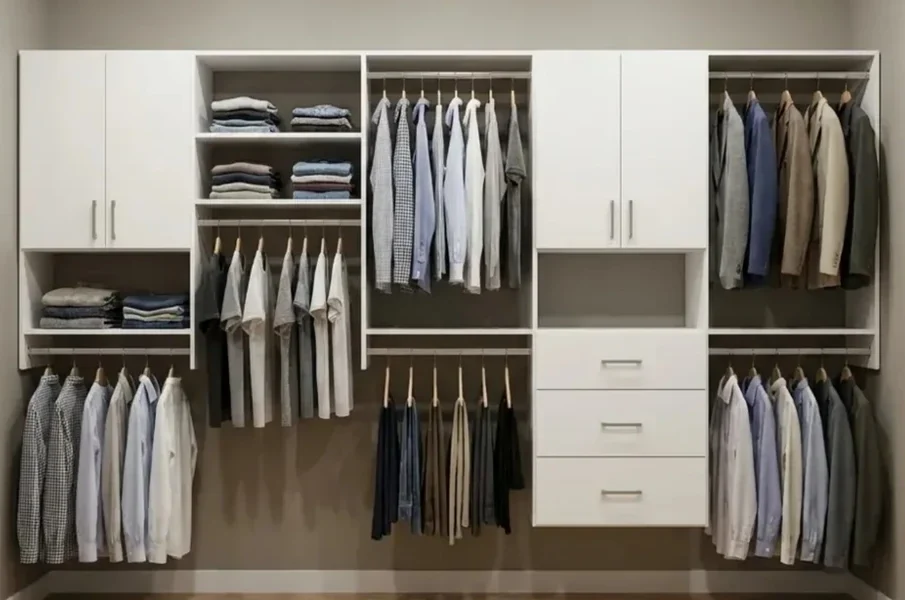
You do not need a huge closet to stay organized. You need a smart plan, the right components, and a layout that fits your habits. I build my recommendations around practical use, not trends. The ideas below focus on systems that add capacity without adding bulk, and small upgrades that create order you can keep up with.
If you are weighing custom solutions, explore closet organizers from National Closet Company. They design, manufacture, and install systems across Nashville and Middle Tennessee, and they price projects with clear, upfront numbers. I will explain why their approach works well for tight bedrooms and how to decide what you need.
This guide shows you what to install, how to plan your layout, and which features to prioritize. Follow it step by step and you will free up space, cut visual clutter, and make daily routines easier.
How to Think About Small-Space Closets
Space is fixed. Capacity is not. I want you to use height, hidden spots, and shallow depths that still store well.
- Use the full height of the wall. Aim for double-hang sections at 40 inches and 80 inches, plus a top shelf.
- Keep shelf depths shallow. For most clothing, 14 inches is enough. It prevents piles from getting lost.
- Prioritize doors that do not steal interior space. Sliding doors help. Swing doors need clearance.
- Add light. Even a simple LED strip improves visibility and reduces rummaging.
- Plan around your wardrobe, not a generic template. Count long-hang items, folded stacks, and shoes first.
The Best Organizer Types for Tight Bedrooms
These components give the biggest storage gains per inch. I use them in small closets because they work.
- Double-hang sections
- Doubles your hanging capacity for shirts, blouses, skirts, and pants folded over a hanger.
- Slim drawer towers
- Narrow banks of 3 to 5 drawers fit where hanging space ends. Great for undergarments, tees, and gym wear.
- Adjustable shelves
- Set spacing to match stacked items. Tight spacing prevents unstable piles.
- Pull-out accessories
- Valet rods, belt racks, tie racks, and scarf racks keep small items easy to grab without cluttering rods.
- Shoe shelves with short risers
- Flat or slightly angled shelves with 5 to 6 inches of vertical spacing fit most pairs without wasting height.
- Over-the-door organizers
- Use on bedroom or closet doors for accessories and seasonal items. Choose fabric or slim metal styles to avoid bulk.
- Corner solutions
- L-shaped shelves or a short return shelf capture dead corners better than a long rod that you cannot reach.
- Wall-mounted systems
- Floating units free floor space for baskets, hampers, or a small step stool.
- Under-bed drawers or bins
- Keep off-season clothing or spare linens here. Label both ends for fast swaps.
Three Reliable Layouts for Common Small Closets
I like to start with typical closet sizes and tweak from there. Use these blueprints as a baseline.
1. Five to six foot reach-in with sliding doors
- Left: 24 to 30 inches of double-hang
- Center: 18 to 24 inch drawer tower with adjustable shelves above
- Right: 24 to 30 inches of double-hang
- Top: Continuous shelf across the full width
2. Three to four foot reach-in with a swing door
- Main section: Double-hang covering most of the width
- One vertical bank: 15 to 18 inches of shelves for sweaters and shoes
- Back of door: Slim organizer for accessories or hats
3. Narrow alcove or wardrobe nook
- One long-hang section for dresses or coats
- Short drawer stack below long-hang if height allows
- Overhead shelf for luggage or bins
Measure your interior width, depth, and height. Note door type and hinge side. Then match your counts of long-hang, short-hang, and folded items to one of these layouts.
Features That Make a Noticeable Difference
I suggest prioritizing a few quality details. They improve daily use without taking more space.
- 14-inch deep shelving for reach-in closets
- Soft-close hardware to prevent slamming and wear
- Full-height back panels in custom systems for a finished look
- Integrated lighting or motion-sensor LEDs
- Matte or light finishes that reflect light and calm visual noise
- Sturdy rods and brackets that will not bend under load
Why I Recommend National Closet Company for Small Bedrooms
Small closets need exact fits and smart accessories. National Closet Company builds every system to the room’s true measurements instead of forcing a kit to fit. That matters in tight bedrooms where every inch counts.
Here is what stands out about them in practice:
- Custom fit and flexible styles
- Wall-mounted systems keep the floor open. Floor-based systems add furniture-style presence and extra strength.
- Clear design process
- Free in-home consultation, precise measurements, and photorealistic 3D designs before you commit.
- Practical materials and depth
- Furniture-grade melamine with a standard 14-inch shelf depth provides usable space without bulk.
- Straightforward pricing and timing
- Exact installed prices upfront, with most projects built to order and installed fast.
- Turnkey or standard install options
- You can handle prep work yourself or ask them to manage removal, wall repair, and painting.
They serve homeowners across Nashville and Middle Tennessee, and their focus on fit, finishes, and honest pricing makes them a strong choice if you want custom results without franchise overhead.
Budget and Planning Tips
You can stage a project to match your budget and schedule. I often suggest:
- Start with the core: double-hang, a top shelf, and one drawer stack
- Add accessories later: valet rod, belt rack, extra shelves
- Use bins now and swap for drawers later if needed
- Time installs around seasonal closet clean-outs
- Ask for two quotes if offered: a standard install price and a turnkey option
A Fast Pre-Install Checklist
Run through this before you order.
- Edit your wardrobe by category
- Measure the interior width, height, depth, and door clearances
- Count long-hang vs short-hang items
- Decide on drawer count and shoe storage style
- Choose wall-mounted or floor-based construction
- Pick finishes that match your room
Daily Habits That Keep Order
Even the best system needs simple routines.
- One in, one out for clothing and shoes
- Keep a donation bag on the floor or behind the door
- Reset shelves weekly, drawers monthly, seasons quarterly
- Label bins for off-season items and stick to them
Small bedrooms reward precise choices. Focus on height, shallow depths, and a clean layout. If you want a design tailored to your exact space and wardrobe, National Closet Company is a strong local partner with a clear process and practical options that suit compact rooms.