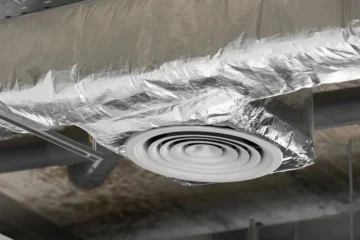
What Happens When Fire Protection Systems Go Offline?
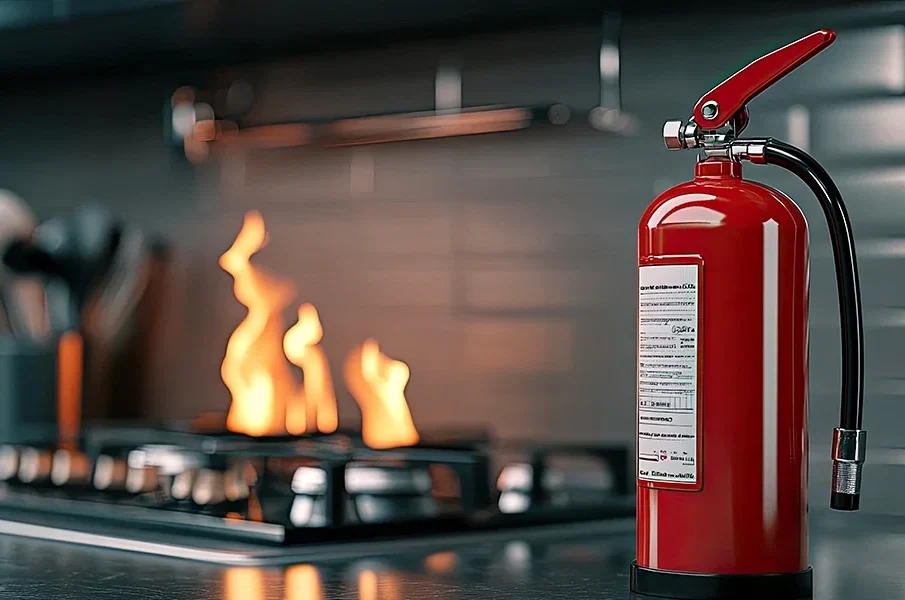
Introduction
Fire protection systems play an important role in keeping buildings, equipment, and people safe during a fire. These systems include alarms, sprinklers, fire pumps, smoke detection equipment, and other safety devices. When any of these systems go offline, the building may become more vulnerable to fire-related damage and injuries. Understanding what happens when fire protection systems stop working can help property owners and workers take timely action and reduce risks.
To address this risk during an outage, many property owners hire temporary safety personnel like The Fast Fire Watch Company to continuously monitor the premises until full protection is restored. These dedicated watch guards conduct regular patrols to spot early signs of smoke or flame, ensuring that any potential emergency is reported without delay even while the primary systems are down.
Reduced Fire Detection
One of the first concerns when a fire protection system goes offline is delayed detection. Smoke detectors and fire alarm systems are designed to identify signs of fire and alert people quickly. If these systems are not functioning, occupants may remain unaware of a fire until they notice smoke, heat, or visible flames. This delay can give a fire more time to spread before emergency action begins.
Limited Fire Suppression
Sprinkler systems and fire suppression equipment are designed to control or limit fires before they spread further. If a sprinkler system is offline, water may not be released when a fire starts. This can allow flames to grow rapidly and increase the amount of damage. A fire that could have been controlled early may become much harder to manage without working suppression equipment.
Greater Risk to People and Property
If these systems are not functioning, occupants may remain unaware of a fire until they notice smoke, heat, or visible flames. People may have less time to evacuate safely, especially in large or crowded buildings. Fire can also spread to nearby rooms, equipment, and materials more quickly. This may result in greater property damage, longer recovery periods, and higher repair costs.
Possible Safety and Compliance Concerns
Fire protection systems are often connected to building safety requirements and fire prevention procedures. Taking a system offline without proper controls may create safety and compliance concerns. The exact requirements can vary depending on the type of building, system, work being performed, and local fire safety rules. Temporary outages should therefore be managed carefully and according to applicable procedures.
Steps to Take During an Outage
When a fire protection system becomes unavailable, the issue should be reported immediately to the responsible safety or maintenance personnel. If these systems are not functioning, occupants may remain unaware of a fire until they notice smoke, heat, or visible flames. Depending on the situation, temporary safety measures may be needed, such as increased monitoring, restricting certain activities, or assigning trained personnel to watch for signs of fire. Employees and occupants should also be informed when the outage affects normal emergency protection.
Conclusion
When fire protection systems go offline, the risk of delayed detection, uncontrolled fire growth, property damage, and injury can increase significantly. Prompt reporting, proper maintenance, temporary safety measures, and quick restoration can help reduce these risks. Keeping fire protection systems operational is an important part of maintaining a safe workplace and protecting people and property from the effects of fire.