Why Mould Inspection Is Important and How Concrobium Ingredients Help?
Mould problems appear in most residential buildings and business facilities which operate in regions that experience high humidity. The problem starts as a small problem which develops into a severe problem when people ignore it. Most people attempt to remove visible mould from their surfaces yet the mould keeps returning because they lack knowledge about its origin. The initial step to solve the problem needs mould inspection because it serves as the most vital element of the process.
In this blog, we’ll explain why mould inspection is necessary, what the process involves, and how solutions made with concrobium ingredients help in effective mould removal and prevention.
What Is Mould Inspection?
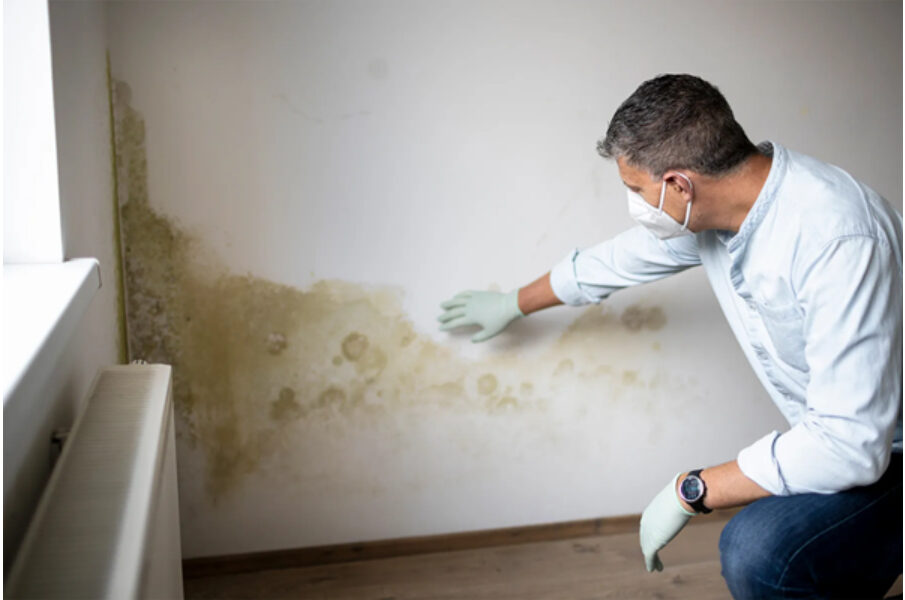
Mould inspection involves a complete examination of your property to detect all types of mould growth which includes both visible and concealed mould. The process requires more than simply walking through your home because it uses systematic methods to assess how serious the problem has become.
During a professional mould inspection, experts usually:
- Examine walls, ceilings, and floors
- Check areas with high moisture like bathrooms and kitchens
- Inspect air conditioners and ventilation systems
- Look for leaks or water damage
- Use tools to detect hidden moisture
Some advanced inspections may also include air testing to check the level of mould spores in the environment.
Why Mould Inspection Is So Important
Many people skip inspection and go straight to cleaning. This can lead to temporary results and repeated problems. Here’s why mould inspection is essential:
1. Finds Hidden Mould
Mould often grows in places you cannot see, such as behind walls, under carpets, or inside cabinets. Inspection helps detect these hidden areas.
2. Identifies the Root Cause
Mould requires water for its existence. The inspection process enables identification of specific sources which include leaks and humidity and insufficient ventilation.
3. Protects Your Health
Mould exposure leads to multiple health problems which include allergic reactions and breathing difficulties and headaches and skin rashes. The early inspection process enables health risk prevention.
4. Prevents Property Damage
Over time, mould can weaken walls, ceilings, and furniture. Detecting it early saves repair costs.
Signs That You Need a Mould Inspection
There are cases in which mould is not easily visible, but its presence gives out warning signs to be observed:
- A strong musty smell
- Dark spots on walls or ceilings
- Paint peeling or bubbling
- Water stains or damp patches
- Increased allergies or breathing discomfort indoors
If you notice any of these, it’s best to go for a mould inspection as soon as possible.
What Happens After Mould Inspection?
The treatment process begins after the inspection process reaches completion. The method of treatment needs to be decided based on the severity of the mould situation.
The solution for minor problems requires only basic cleaning. A comprehensive treatment strategy becomes necessary when dealing with extensive mould infestations that keep happening. This is where solutions containing concrobium ingredients are often used.
What Are Concrobium Ingredients?
The mould control solution Concrobium functions through its active components without using any aggressive chemical substances. The product provides better safety to people and their surroundings because it contains safer substances than bleach and other strong cleaning products.
The product achieves its intended performance through its precise formulation of active concrobium ingredients which include the following components
1. Sodium Carbonate
This helps break down mould and remove stains. It also works as a cleaning agent that supports the overall process.
2. Sodium Bicarbonate
Also known as baking soda, this ingredient helps in reducing odors and creating conditions where mould cannot grow easily.
3. Trisodium Phosphate (or substitutes)
This improves the cleaning power of the solution and helps remove dirt, grease, and mould together.
4. Water
Water acts as the base that carries all the ingredients and helps apply them evenly on surfaces.
How Concrobium Ingredients Work
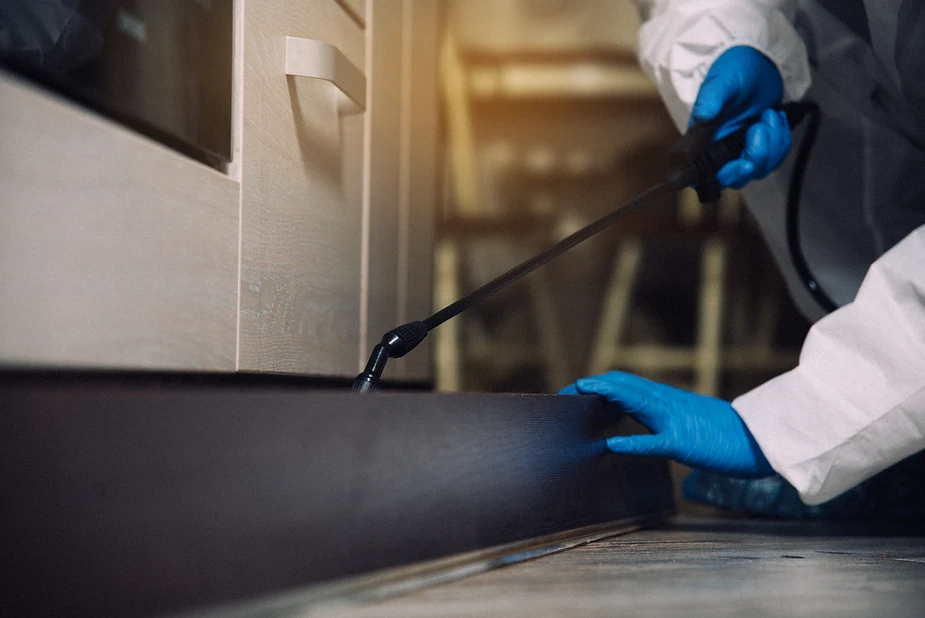
Concrobium ingredients function through a different mechanism than conventional mould cleaning products. The product goes beyond surface mould removal by executing more extensive removal procedures. Here’s how it works:
- The solution spreads across the affected area
- As it dries, it crushes mould spores
- It forms a thin invisible layer
- This layer prevents future mould growth
This makes it effective not just for cleaning but also for long-term prevention.
Why Concrobium Is Better Than Bleach
Bleach is commonly used for mould cleaning, but it has several limitations. Let’s compare:
Bleach Concrobium
Removes only surface mould Works at root level
Strong smell Odorless
Can damage surfaces Safe for most materials
Mould often returns Helps prevent regrowth
Because of these advantages, many professionals prefer using solutions with concrobium ingredients.
DIY vs Professional Mould Inspection
You might wonder whether you should handle mould yourself or hire experts.
DIY Approach
- Suitable for small, visible mould areas
- Uses basic cleaning products
- Affordable and quick
Professional Approach
- Includes detailed mould inspection
- Detects hidden mould
- Uses advanced tools and treatments
- Provides long-term solutions
If the mould problem is large, recurring, or hidden, professional help is always the better option.
Common Mistakes People Make
Even after doing a mould inspection, some mistakes can lead to the problem coming back:
1. Ignoring Moisture Issues
If leaks or humidity are not fixed, mould will return.
2. Cleaning Only Visible Areas
Hidden mould continues to grow if not treated.
3. Using Incorrect Products
Not all cleaners are designed for mould removal.
4. Stopping Treatment Too Early
Incomplete treatment can cause regrowth.
Tips to Prevent Mould Growth
After inspection and treatment, prevention is key. Here are some simple tips:
- Keep your home well ventilated
- Use exhaust fans in kitchens and bathrooms
- Fix leaks immediately
- Control indoor humidity
- Clean damp areas regularly
Regular maintenance can help avoid major mould problems in the future.
Final Thoughts
The foundation of successful mould control begins with proper mould inspection. The process enables identification of actual problems which exist beyond visible symptoms. Your treatment will bring only short-term results because you have not yet conducted an inspection.
The use of concrobium ingredients deliver safe and permanent solutions after the problem has been identified. The active components of this formula achieve two functions because they eliminate mould while preventing its future growth.
The most effective method of solving problems requires three actions which begin with inspecting the area and then proceed to treating the problem and finally establishing an environment which remains dry and clean. The method provides a solution which ensures your space remains free from mould while promoting good health throughout your area.