
How Drain Cleaning in Lutz Stops Small Problems From Becoming Backups
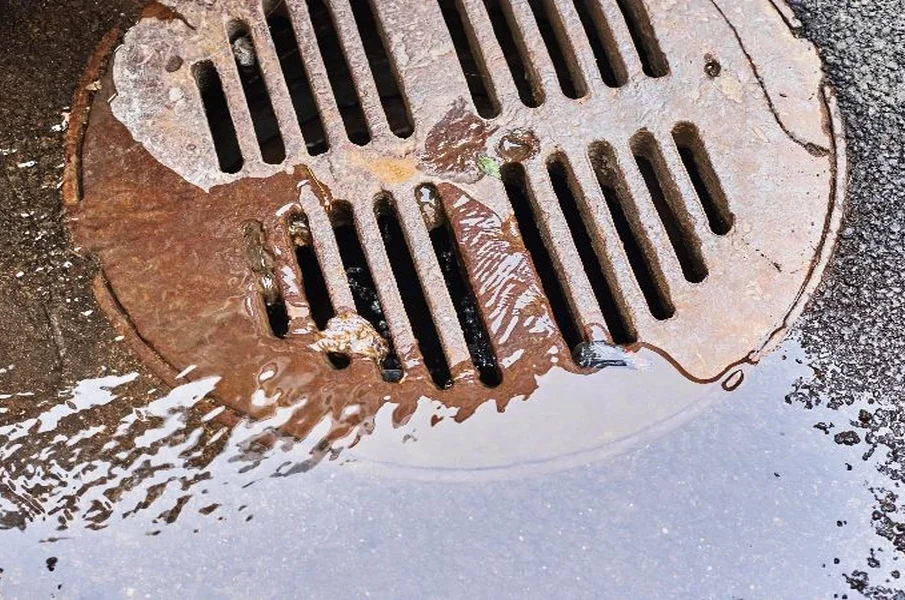
A drain rarely goes from working perfectly to completely blocked without giving some warning. Water may begin moving a little slower, a sink might develop an odor, or a nearby fixture may start making unusual sounds. These smaller changes are easy to ignore when water still disappears eventually.
Professional drain cleaning in Lutz gives those early symptoms attention before standing water or a larger backup takes over the room. Drain speed, recurring clogs, gurgling, odors, and the number of affected fixtures all provide useful clues about where buildup may be developing.
Slow Drainage Is Often the First Noticeable Change
A sink or shower that takes a few extra seconds to empty may not feel urgent.
Over time, the slowdown may become more noticeable. Water begins collecting around your feet in the shower, or the kitchen sink stays partly full while dishes are being washed.
The location matters.
One slow bathroom sink may point toward buildup relatively close to that fixture. Several slow drains appearing around the property suggest that the restriction may sit farther along the drainage system.
Paying attention to the first affected fixture creates a useful starting point before the problem spreads.
Recurring Clogs Deserve More Attention Than One Random Blockage
An occasional clog may result from material collecting near the drain opening.
A clog that returns every few weeks presents a different pattern.
Temporary clearing may open enough space for water to move while leaving grease, soap residue, hair, or other buildup farther inside the pipe. New debris then collects around what remains.
Keep track of how quickly the problem returns.
If you are dealing with repeated slow drains or backups, click here to review local drain cleaning options before another temporary fix becomes part of the routine.
Kitchen Drains Often Slow Down Gradually
Kitchen drains deal with grease, food residue, soap, and other material that may stick to pipe walls.
The buildup does not always create an immediate blockage. Instead, the open space inside the pipe gradually becomes smaller.
You may first notice that water drains normally at the beginning of cleanup but slows as more water enters the sink.
Odors may appear too.
Grease and food residue sitting inside the line may create unpleasant smells even when the sink is still draining. Cleaning only the visible opening may leave the deeper material untouched.
Bathroom Drains Collect a Different Mix
Hair, soap residue, toothpaste, and personal care products create common bathroom drain problems.
Shower and tub drains often show the first warning through standing water. Bathroom sinks may begin emptying more slowly or developing recurring buildup near the stopper.
These problems may remain localized for a while.
That changes when several bathroom fixtures begin reacting together.
A toilet that gurgles while the shower drains or a sink that bubbles after another fixture is used provides more information about where the restriction may sit.
Gurgling Means the Drainage Pattern Has Changed
Drainpipes move wastewater along with air.
A restriction inside the line may change that normal movement, producing bubbling or gurgling sounds from nearby fixtures.
Timing makes the sound more useful.
A shower drain that gurgles every time the toilet flushes tells you more than an occasional random noise. Likewise, a sink that bubbles whenever another fixture empties may share part of the same drainage path.
Mention those relationships during a service visit.
Good drain cleaning in Lutz follows the pattern rather than focusing only on whichever drain currently looks the worst.
Foul Odors May Arrive Before a Full Blockage
A drain does not need to stop completely before buildup becomes noticeable.
Grease, food particles, organic material, or stagnant water may produce recurring odors from the opening.
Pay attention to how often the smell returns.
An odor that disappears after basic cleaning and stays gone presents a different situation from one that comes back repeatedly even when the visible drain looks clean.
If several drains begin developing similar odors, include that detail as well.
The source may sit deeper than one fixture.
Grease Creates Problems Beyond the Kitchen Sink
Fats, oils, and grease may move into a drain while warm but accumulate farther along the system.
The U.S. Environmental Protection Agency identifies fats, oils, and grease among materials associated with sewer blockages. The agency also notes that wipes and other inappropriate household products may contribute to restrictions and sewer overflows. EPA sanitary sewer overflow guidance
Reducing these materials at the source lowers the amount entering the drainage system in the first place.
A garbage disposal also does not make grease disappear. Food material still enters the plumbing after being broken into smaller pieces.
Several Affected Fixtures Move the Search Farther Downstream
One clogged sink usually keeps the inspection fairly close to that fixture at first.
Several affected fixtures expand the search.
If toilets, tubs, sinks, or floor drains begin slowing or backing up around the same period, the restriction may involve a shared drain or main line.
This is particularly important when using one fixture causes wastewater to appear somewhere else.
A shower filling when another fixture drains deserves prompt attention because the drainage system is no longer moving wastewater along its normal path.
Tree Roots Create a Different Kind of Restriction
Underground sewer lines face conditions that indoor pipes do not.
Roots naturally grow toward moisture. Openings or defects in buried sewer piping may give roots a path into the line, where they may restrict flow and catch additional debris.
The EPA identifies root intrusion through defects or openings as another source of sewer blockages.
A root-related problem requires a different approach from hair collected beneath a bathroom sink or grease lining a kitchen branch.
Recurring main-line symptoms may therefore deserve a closer examination of the sewer line itself.
Hydrojetting Targets Heavy Interior Buildup
Some drain restrictions involve a concentrated obstruction. Others develop as material coats a larger portion of the pipe.
High-pressure water cleaning, commonly called hydrojetting, targets grease, sludge, soap residue, and other accumulated material along pipe walls.
The method should match the condition of the line.
Not every slow drain requires the same equipment, which is why an inspection belongs before the cleaning method is selected.
The current Lutz service site lists hydrojetting alongside main drain, sewer line, kitchen, bathroom, sink, and storm drain cleaning.
Outdoor Drains Give Their Own Early Warnings
Florida rain puts outdoor drainage under a different kind of pressure.
Leaves, mud, dirt, and landscaping debris may collect around storm drains and reduce the amount of water moving away from paved areas.
The warning sign may be a puddle that remains much longer than usual after rain.
Repeated standing water around the same drain deserves attention before another storm adds more debris and runoff.
Outdoor drainage problems should be evaluated separately from household sanitary drains, but the same principle applies: slow movement often appears before a complete blockage.
Commercial Properties May Notice Problems Faster
Restaurants, offices, shops, and other commercial properties often place heavier daily demands on their drainage systems.
Restrooms receive frequent use. Food-service areas deal with grease and food residue. Floor drains may collect material during cleaning.
Under those conditions, a developing restriction may become disruptive quickly.
Track which fixture slows first and when the problem becomes most noticeable.
The Lutz service site currently lists commercial drain cleaning for restaurants, offices, retail properties, and other businesses alongside residential service.
Testing the Drain Should Finish the Service
Clearing a blockage is only part of the appointment.
The affected fixture should be tested afterward so the original symptom may be compared with the result.
If one kitchen sink was slow, run water through that sink. If several bathroom fixtures were interacting, those related drains should be checked again.
The current Lutz service process includes inspecting the drain line, clearing buildup and debris, and testing flow after service.
That final check confirms whether water is moving normally through the section that caused the original problem.
Pay Attention Before the Drain Stops Completely
Slow drainage, recurring clogs, gurgling sounds, odors, and fixtures reacting to one another are easier to deal with before wastewater starts backing into sinks, showers, or floors.
Thoughtful drain cleaning in Lutz starts with those early patterns and follows them toward the source of the restriction. What seems like one minor slowdown may remain localized, while several changing fixtures may point toward a deeper part of the system.
If slow drains keep returning, water is beginning to back up, or several fixtures are showing the same warning signs, contact Lutz Drain Cleaning Pros to have the affected lines inspected and discuss the cleaning method that fits the problem.


