Eco-Friendly Flooring How WPC Flooring Supports Sustainable Interiors
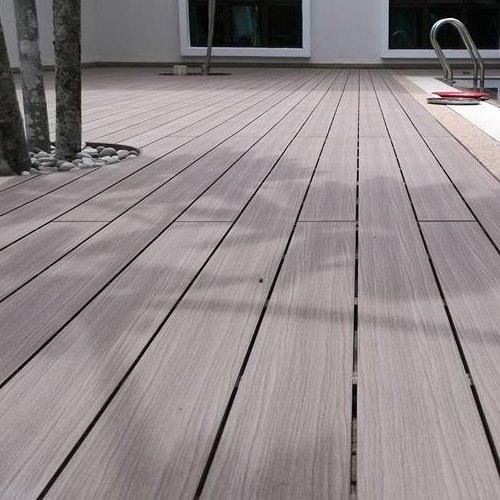
In today’s world, where sustainability and eco-conscious choices are becoming more than just trends, homeowners and interior designers are constantly looking for materials that combine durability, style, and environmental responsibility. One flooring solution that is gaining significant attention in sustainable interior design is WPC flooring, or Wood Plastic Composite flooring. With its unique composition and modern appeal, WPC flooring is revolutionizing the way we think about flooring options while keeping environmental impact in check.
WPC flooring is a composite material made by combining wood fibers and thermoplastic materials. This combination allows it to mimic the natural beauty of wood while offering enhanced durability, resistance to moisture, and ease of maintenance. Unlike traditional hardwood flooring, which often contributes to deforestation, WPC flooring uses recycled wood and plastic materials, reducing the strain on natural resources. By opting for WPC, homeowners are making a conscious choice to embrace sustainability without compromising on aesthetics or quality.
One of the most remarkable aspects of eco-friendly WPC flooring is its durability. Traditional wooden floors are prone to warping, cracking, or damage from water exposure. In contrast, WPC flooring is highly resistant to moisture, swelling, and termite attacks, making it ideal for areas such as kitchens, bathrooms, and basements. This long lifespan means fewer replacements over time, which reduces waste and contributes to a more sustainable home environment. The reduced need for chemical treatments and finishes further adds to its eco-friendly profile.
Another factor that makes WPC flooring an excellent choice for sustainable interiors is its low maintenance. Unlike conventional wood floors, which require regular polishing, sealing, or refinishing, WPC floors are easy to clean and maintain. A simple sweep and mop are enough to keep them looking new, minimizing the use of harsh cleaning chemicals. This not only saves homeowners time and effort but also reduces the chemical footprint in their living spaces, creating a healthier and greener home.
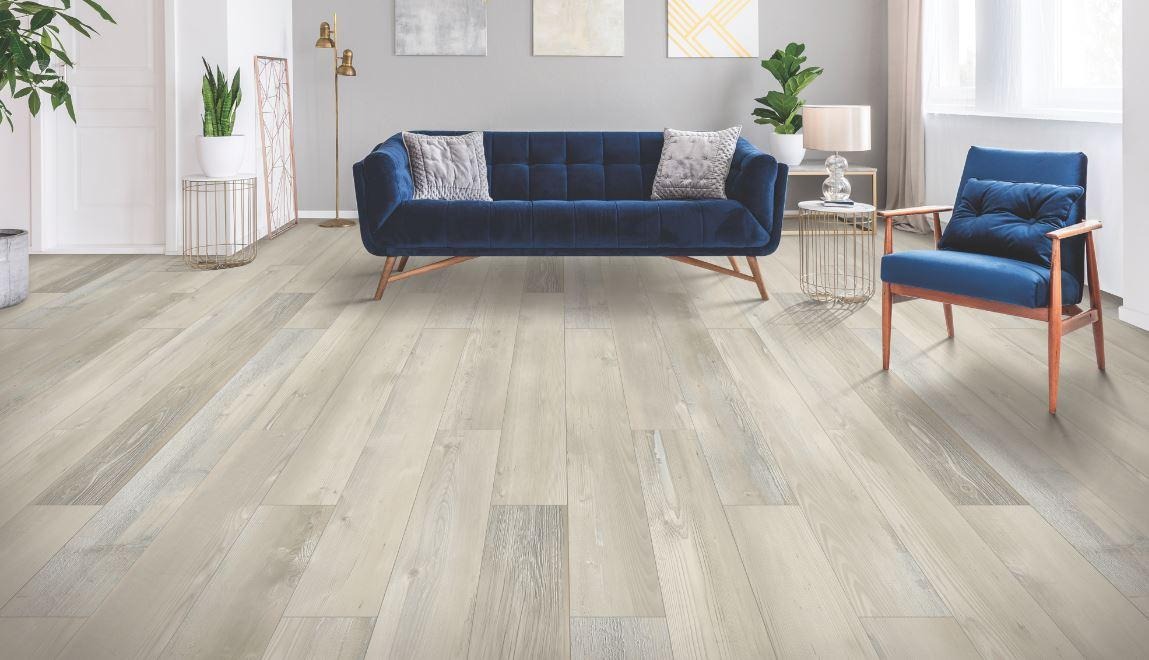
WPC flooring also provides versatility in design, which contributes indirectly to sustainability. With a wide range of textures, colors, and finishes, it can replicate the appearance of natural hardwood, stone, or even ceramic tiles. This flexibility means that designers and homeowners can achieve the look they desire without resorting to materials that have a higher environmental impact. By offering a sustainable alternative without compromising on style, WPC flooring aligns with the growing trend of eco-conscious interior design.
The manufacturing process of WPC flooring itself demonstrates a commitment to sustainability. Many manufacturers use recycled plastics and wood fibers collected from waste materials, diverting them from landfills and giving them a new purpose. Moreover, WPC production typically consumes less energy than the production of traditional hardwood flooring. By choosing WPC, consumers are supporting a circular economy where materials are reused efficiently, reducing overall environmental strain.
Indoor air quality is another area where WPC flooring excels. Unlike some synthetic flooring options that emit volatile organic compounds (VOCs), high-quality WPC flooring is designed to be low in emissions, creating a safer environment for families, especially in bedrooms and living areas. This aspect of eco-friendly design ensures that sustainability is not only about conserving natural resources but also about enhancing the health and well-being of the occupants.
In addition to residential spaces, WPC flooring is gaining popularity in commercial interiors as well. Offices, hotels, and retail spaces are increasingly choosing WPC due to its combination of durability, aesthetics, and sustainability. By reducing the frequency of replacements and maintenance, commercial properties can lower their long-term environmental impact, proving that eco-friendly choices are feasible on a larger scale.
Incorporating WPC flooring into a home or office is a step toward creating a sustainable interior that balances style, practicality, and environmental responsibility. It allows homeowners to enjoy the timeless beauty of wood-like textures while supporting a greener planet. Moreover, WPC flooring reflects a conscious design choice that aligns with modern eco-friendly lifestyle values, helping individuals and businesses make a positive contribution to environmental preservation.
In conclusion, WPC flooring Abu Dhabi represents a smart, stylish, and sustainable alternative to conventional flooring materials. Its durability, moisture resistance, low maintenance, and eco-conscious manufacturing process make it a standout choice for anyone seeking to create interiors that are both beautiful and responsible. By opting for WPC, you are not only investing in a long-lasting and elegant flooring solution but also supporting a greener, more sustainable future for your home, your business, and the planet. Embracing WPC flooring is more than a design decision—it’s a step toward a sustainable lifestyle that harmonizes comfort, style, and environmental care.