Why the Future of Self-Storage in Singapore is So Exciting
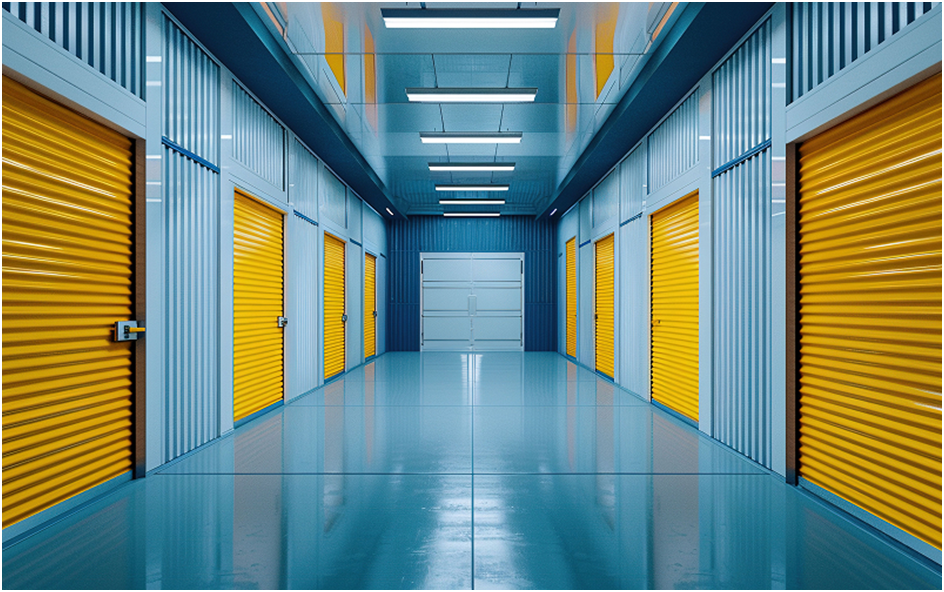
Self-storage space in Singapore has quickly evolved from a niche service to an essential part of urban living. Families use it to hold onto heirlooms, professionals stash seasonal items, and businesses rely on it for inventory management. As lifestyles and work patterns shift, so too does the demand for storage in Singapore. The future of the sector is not just about bigger lockers or lower prices, but about reshaping how space is perceived and used.
Technology as the Game-Changer
The first trend shaping the future of self-storage space in Singapore is technology. Digital booking systems are already common, but we can expect even more automation in the years ahead. Imagine accessing your unit through mobile facial recognition, or tracking your belongings with digital inventories synced to an app.
The future also promises a stronger integration of AI and smart sensors. For instance, climate-controlled units could adjust humidity levels in real time to protect electronics or documents. Data-driven insights may even allow providers to anticipate demand in specific neighbourhoods, ensuring that storage in Singapore is always available where it’s most needed.
Flexible Contracts for a Flexible Lifestyle
Another clear shift is the move toward hyper-flexible contracts. In the past, storage units often came with minimum rental periods. The future points to an expansion of short-term, on-demand options.
This flexibility reflects the needs of a mobile society, where people may relocate frequently or businesses may operate seasonal stock flows. As self-storage space in Singapore evolves, the concept of space as a subscription, rather than a static lease, will become more common. Customers will increasingly treat storage as they do a streaming service: accessible, adaptable, and easy to scale.
Sustainability as a Driving Force
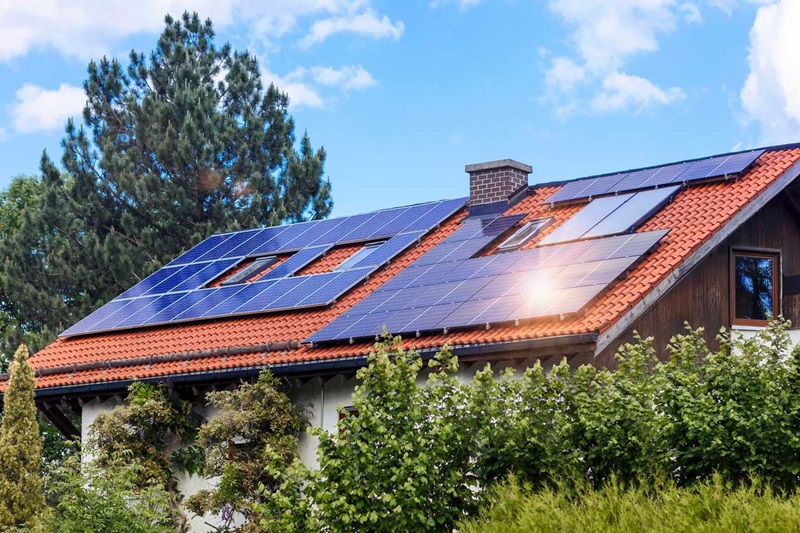
The demand for sustainability has reached nearly every industry, and storage in Singapore is no exception. Providers are beginning to rethink their operations with eco-friendly practices in mind. Future facilities may run on solar energy, incorporate green roofs, or use recycled materials in construction.
Even more significantly, climate-controlled units may be redesigned to reduce energy consumption without compromising the safety of items inside. Sustainability is also about keeping long-term costs under control in a resource-scarce city-state.
Design That Reflects Urban Needs
Gone are the days when storage was just about empty rooms with metal doors. As demand grows, facilities are becoming multi-functional spaces. The future might see self-storage space in Singapore doubling as community hubs, where shared meeting areas, co-working desks, and even mini retail spaces sit alongside storage units.
Urban design trends suggest that such hybrid facilities will address the shrinking availability of space in housing and offices. It’s about embedding storage in Singapore into the daily rhythm of work and life.
Business Growth and E-Commerce Synergy
One of the biggest drivers of change in storage will be the rise of small businesses and e-commerce. With online retailers seeking affordable stock solutions, the link between storage and logistics will grow stronger.
Future facilities are likely to incorporate last-mile delivery hubs or pick-and-pack services. This integration means a storage space in Singapore could double as a mini warehouse for SMEs, providing them with agility at a fraction of the cost of leasing a commercial unit.
Anticipating Consumer Expectations
Consumer psychology plays an equally important role. People increasingly expect convenience, transparency, and personalisation. As such, self-storage space in Singapore will likely evolve toward more customised solutions.
Facilities may offer lockers with specific climate settings, insurance add-ons, or even pick-up services where staff collect your items from your home. These shifts are driven by the simple expectation that services should fit seamlessly into everyday life. For storage providers, meeting these demands will mean the difference between thriving and lagging behind.
Risks and Challenges on the Horizon
Of course, the path forward is not without risks. Rising property prices in Singapore will continue to pressure operators, even as customers demand affordability. Balancing sustainability goals with energy-intensive climate controls could also pose a challenge.
Another future risk lies in data security. With more automation and digital systems in place, customers will expect their information to be protected as carefully as their belongings. Ensuring trust while staying competitive will be the industry’s most delicate balancing act.
A Future Where Space Works Smarter
The future of self-storage space in Singapore is an evolving service that mirrors the needs of urban living. The trends shaping storage in Singapore highlight how vital this industry will be to personal and professional lives. As space becomes an even scarcer commodity in the city, storage will be a lifeline. Whether a household is looking to declutter or a business seeking cost-efficient logistics, the future promises storage that is smarter, greener, and more embedded in daily life.
Is your home bursting at the seams? Explore SpaceHub to give you the breathing space you deserve today.