How Often Should You Have Your Roof Professionally Cleaned?
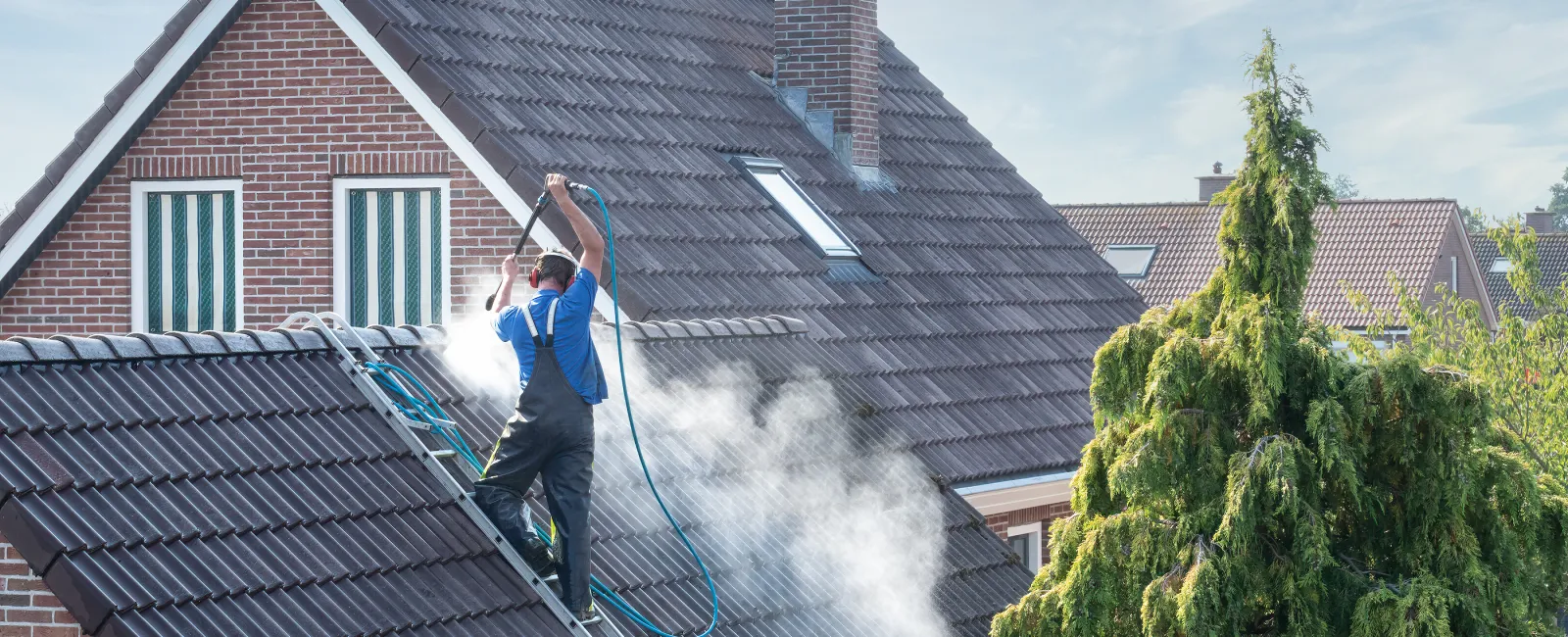
Your roof is your home’s first line of defense against the elements—but it’s also one of the most overlooked areas when it comes to regular maintenance. While gutters and windows get their share of attention, the roof quietly accumulates debris, moss, algae, and pollutants that can shorten its lifespan and impact your home’s appearance.
So, how often should you schedule professional roof cleaning? The answer depends on several factors, including your roof material, local climate, and surrounding environment.
Why Roof Cleaning Matters
Over time, roofs collect more than just dirt. Moisture-loving organisms like algae, mold, and lichen thrive in damp, shaded areas and can damage roofing materials by trapping moisture. This creates the perfect storm for wood rot, premature shingle deterioration, and even internal leaks if left untreated.
Aside from preventing damage, regular roof cleaning:
- Enhances curb appeal
- Increases your home’s resale value
- Improves energy efficiency by reducing dark stains that retain heat
- Prolongs the life of your roof
General Cleaning Frequency Guidelines
1. Every 1 to 2 Years (Standard Maintenance)
For most homes with typical shingle or tile roofs in mild climates, a professional cleaning every 1 to 2 years is sufficient to prevent buildup and keep your roof looking fresh.
2. Annually (High-Moisture or Tree-Covered Areas)
If you live in a humid region or a heavily wooded area where shade and falling debris are constant challenges, annual cleanings are recommended. These environments are especially prone to moss, algae, and lichen growth.
3. Every 2 to 3 Years (Dry Climates or Newer Roofs)
In dry or arid climates, or on relatively new roofs with protective coatings, you might stretch cleanings to every 2 to 3 years. However, this should be based on visual inspections and local conditions.
Factors That Influence Cleaning Frequency
1. Roof Material
- Asphalt Shingles: More prone to algae and should be cleaned regularly.
- Tile Roofs: Durable but susceptible to moss in damp environments.
- Metal Roofs: Less likely to host algae but can accumulate grime and pollen.
2. Tree Coverage
Overhanging branches drop leaves, sap, and moisture, creating a breeding ground for mold and mildew.
3. Climate
Wet, coastal, or subtropical climates encourage faster biological growth compared to dry or temperate regions.
4. Roof Pitch and Drainage
Flat or low-sloped roofs may require more frequent cleaning due to slower water runoff and pooling areas.
Midway through your home maintenance planning, it’s crucial to factor in roof cleaning as a routine preventive task that protects both your property value and the structural integrity of your home.
Signs It’s Time to Clean Your Roof
- Black or green streaks (algae)
- Patches of moss or lichen
- Accumulated debris in roof valleys
- Noticeable discoloration or dullness
- Increased indoor humidity or leaks
Benefits of Hiring Professionals
While DIY options exist, professional roof cleaners offer:
- Safe, non-damaging soft washing techniques
- Specialized, eco-friendly cleaning agents
- Experience with all roof types
- Full inspections to catch potential issues early
Professionals ensure a thorough job and protect your roofing warranty, which can be voided by improper cleaning methods.
Conclusion
Regular roof cleaning is an essential part of home care, preventing damage and enhancing your property’s appearance. For most homes, scheduling professional cleaning every 1 to 2 years is ideal, but specific conditions may require more frequent attention. Whether it’s algae control or general maintenance, staying ahead of roof grime ensures your home stays healthy from top to bottom.