
How Damascus Weather Patterns Fuel Termite Activity in the Spring
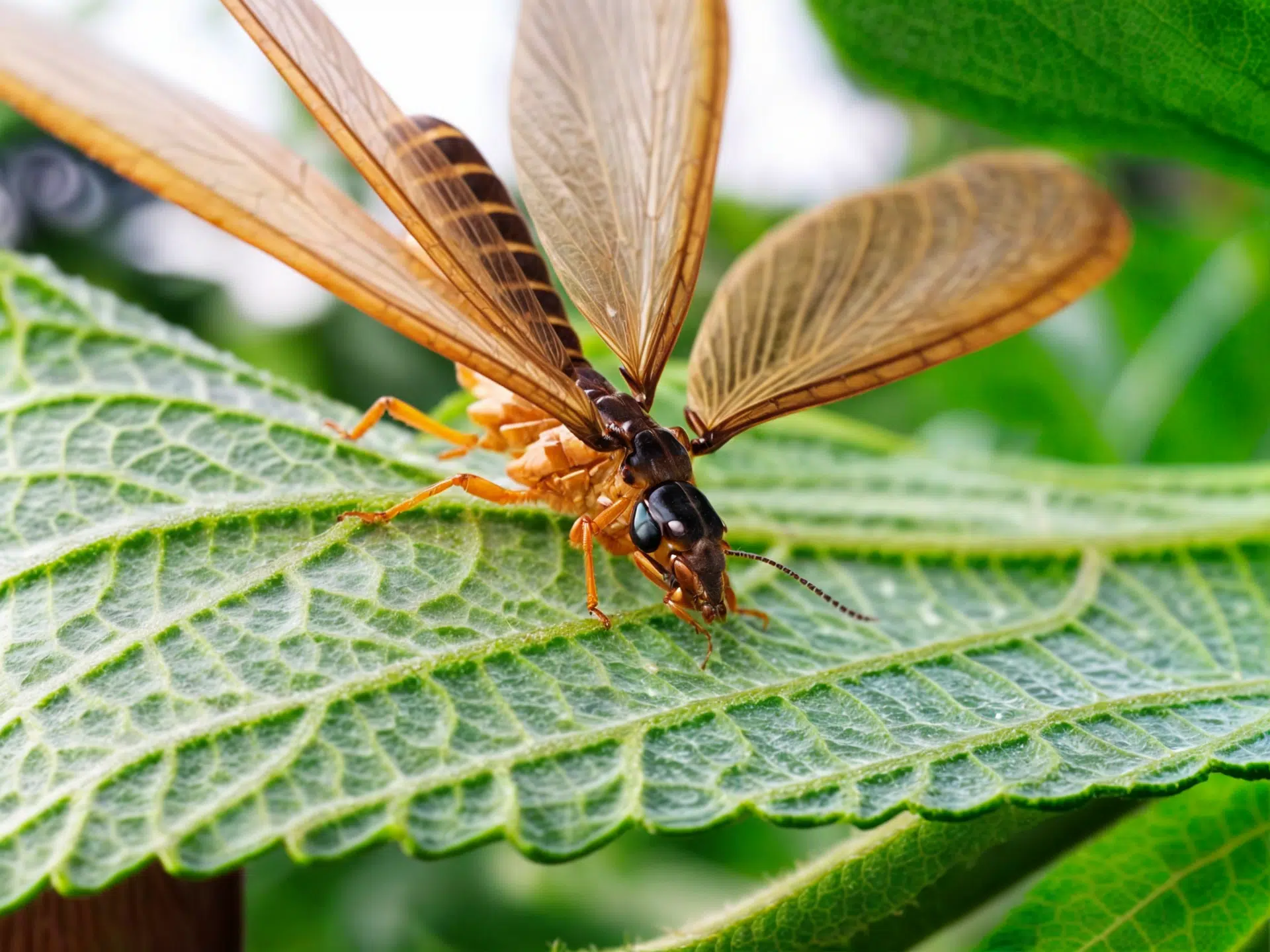
Spring in Damascus is more than the flowers blooming and warm days. The arrival of this season also means the return of termites, a destructive pest that often becomes most active in your home. By knowing how the dry climate and lack of rain in Damascus get termites moving, you can safeguard your property before permanent damage occurs.
Professional Damascus termite control, such as Greenpestservices.net is necessary to ensure that structural damage never reaches a point where thousands of dollars in repairs are required. Do not hesitate to ask for help if you suspect termites are near your home.
Why Termites Love Damascus Spring Weather?
-
The Temperature Sweet Spot
In spring, Damascus’s temperatures rise from 60°F to 88°F, making the region perfect for termites to spread their colonies. March, April, and May are the months when Damascus temperatures are 70-85°F, ideal conditions for termites to be the most active. This temperature range increases their metabolism and reproduction cycles.
-
Humidity Levels That Fuel Activity
Damascus has its most humid month in January, which reaches 75%, but remains notable during spring months, though levels go downwards. This winter, moisture and spring rainfall can give termites the dampness necessary to survive. Damascus’s spring humidity was perfect for their activity; they needed moisture in order to breathe through their skin.
-
Seasonal Rainfall Patterns
It rains a lot here in early spring, but it is a different story by summer. This means that spring is when termites can take advantage of the wet soil moisture conditions just before the dry summer months hit. Moisture and rising temperatures trigger the swarm of reproductive termites, creating nuptial flights away from the colony for new colonies.
Where do Termites Hide Around Damascus Homes?
Termites in Damascus will seek out locations immediately surrounding your house that contain wet soil and are directly adjacent to wood. Older residential neighborhoods in the city, especially those constructed before 1980, are particularly at risk because of their construction methods and materials.
The most frequent approach is still the foundation areas. Concrete foundations in Damascus homes may develop hairline cracks as the city’s temperature fluctuates year by year. These crevices are the highways termites use to get into your house. They also adore the wood pillars that make frequent appearances in the traditional buildings of Damascus.
Because termites are attracted to moisture, bathrooms, kitchens, and basements are hot spots in the springtime. Indoor humidity plus Damascus spring moistness equals a sweet spot. Especially those crawl spaces, and the areas where plumbing enters your house.
Why Calling a Professional Becomes Important
Most people living in Damascus overlook the initial signs of termite infestation. Wings found plastered around windowsills and doors are too frequently disregarded as seasonal bugs. The mud tubes near your foundation may resemble natural soil patterns. They are very harmless signs of damage that you almost do not even notice until the damage goes very far, and it becomes tough to handle the situation.
While DIY options such as sprays and bait stations from hardware stores can appear more affordable in the short term, they are only a temporary fix; one that will likely push back the issue rather than eliminate it.
Professional pest control companies, including Green Pest Services, know the specific issues related to Damascus termites. They are aware of the type of species that is most common in your area and also how weather patterns influence how termites react. Their mission-focused approach targets entire colonies instead of just the visible termites.
Even for those with newer Damascus homes, spring inspections are essential. The latest construction materials do not include termite-proof houses, and newer buildings have different weaknesses compared with older ones. Expert inspectors use specialized tools that detect activity long before damage is visible.