Seamless Rain Gutters vs. Traditional Gutters: Which Is Better for Long-Term Home Protection?
Protecting a home against water damage starts with having a dependable drainage system. As a homeowner goes about deciding on gutter types, two general systems dominate the discussion: seamless rain gutters and traditional sectional gutters. Each comes with its strengths, costs, and long-term performance considerations. Knowing the differences between them helps homeowners make a decision that will support durability, appeal, and long-term maintenance needs.
How Traditional Gutters Are Designed
Traditional gutters are made from pre-cut sections joined together to form a full drainage system. The segments of this system are naturally prone to wear and tear at the joints and seams, even though the system has been used for many decades. At the point of connection, a sealant needs to be applied and checked periodically to avoid any leakage.
The advantage of this system is flexibility—sections can be replaced individually, and materials range from vinyl to aluminum to steel. However, sectional gutters tend to demand more maintenance because each joint exposes the system to potential separation or water escape.
What Makes Seamless Systems Different
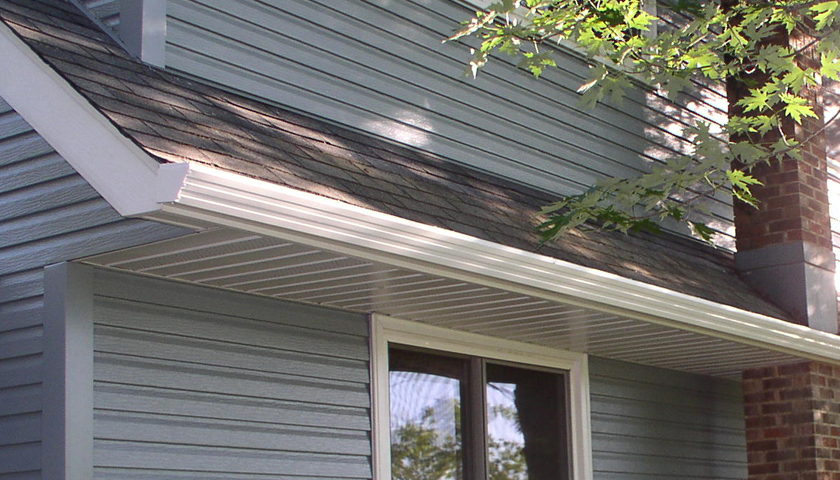
Seamless systems are made from single continuous pieces of metal pre-shaped on-site to fit the house exactly. Having only a few joints, except at corners, they greatly reduce the possibility of leaks and sagging. The sleek look they provide makes them a very popular upgrade for newer homes.
Since the metal is extruded in a single piece, the rain gutters installation requires professional equipment and expertise. While the upfront investment may be somewhat higher, many homeowners find the reduced upkeep and long-term performance well worth it.
Durability and Life Expectancy Considerations
Homeowners considering longevity need to pay close attention to how moisture affects the seams of gutters. Traditional gutters can suffer from a number of problems over time, such as cracked sealant, rust beginning to form at joints, and gaps caused by seasonal expansion. These often result in water spilling near the foundation or siding.
Seamless systems minimize these risks, as the absence of seams greatly reduces the weak points. Fewer joints also mean less opportunity for deterioration; moreover, the continuous design supports even water flow. If installed correctly, these systems often outperform sectional gutters over many years with considerably lower maintenance demands.
Maintenance Requirements Over Time
With traditional gutters, regular checking is necessary to ascertain whether the joints remain sealed. Leaves and debris tend to collect around the seams, which causes clogs and overflows. Homeowners may need to reseal or replace specific sections over time as they weaken.
With seamless systems, the interior surfaces are smoother, allowing water to move freely. Debris is less likely to snag or build up around joints, so cleaning is generally easier and maintenance is far less problematic; though regular maintenance is indeed still required, the workload is usually easier.
Aesthetic Impact on the Home’s Exterior
Curb appeal is a major consideration for many homeowners who consider upgrading to gutters. With sectional gutters, the seam that separates each segment from the next is sometimes very obvious, especially as they get older or have settled. Seamless systems give an unobstructed look that works out pretty well with most modern architectural designs.
Being seamless, the systems are custom-formed to fit the exact contours of the home. A tighter fit accentuates the exterior lines of your home and provides a finished look with which many homeowners are pleased.
Long-Term Cost Effectiveness
Overall cost comparison can be done by not limiting to the initial investment. Traditional gutters can be cheaper at the outset, but the constant need for repairs, resealing, and section replacements can add up over time. Leaks causing water damage can lead to a whole host of other much more expensive issues, from foundation settlement to siding deterioration or even landscaping erosion.
Seamless gutters can offer better value in the long term since they reduce the possibility of leaks, and hence repairs, at the joints. They are more durable and have fewer service calls, offering more stability in the drainage system.
Which System is Best for Long-Term Protection?
Seamless systems often offer the best performance for owners looking for longevity, less maintenance, and solid protection against water damage. Traditional gutters can still be used for more budget-conscious projects or when a permanent fix is not intended, but the increased maintenance often cancels out any savings. The choice will thus depend on the long-term goal of the homeowner, aesthetic appeal, and specific needs of the property.