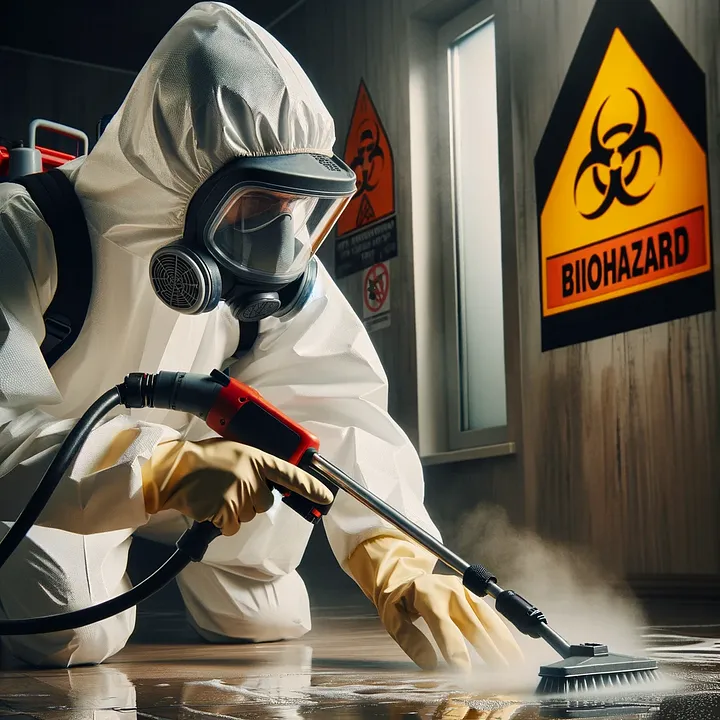
Understanding Asbestos In Navy Housing
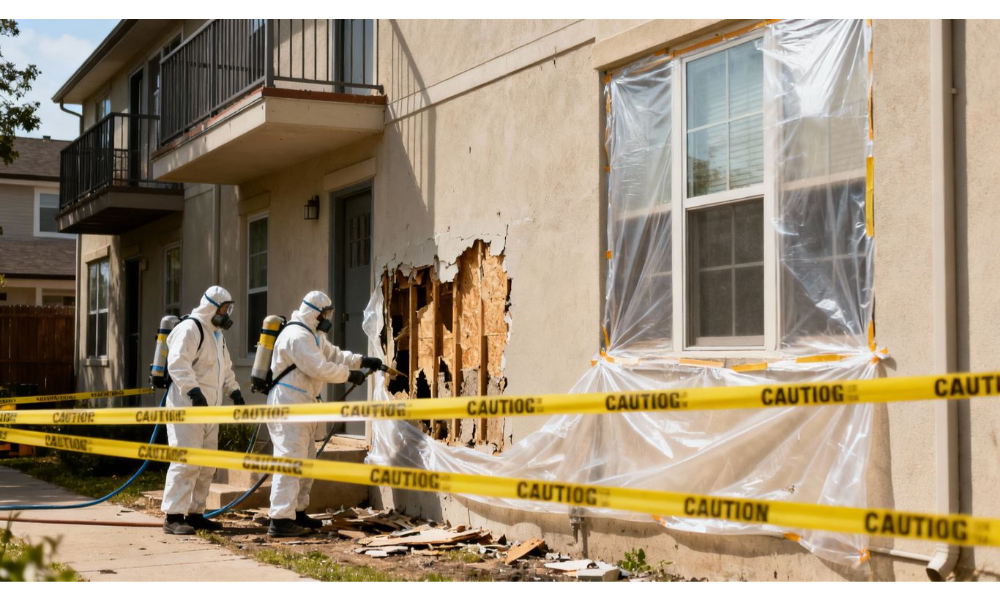
Identifying Potential Asbestos-Containing Materials
Many older Navy housing units were built during a time when asbestos was a common building material. It was used for its fire-resistant and insulating properties. Identifying these materials is the first step in managing potential risks. You might find asbestos in things like:
- Floor tiles and the adhesive used to stick them down
- Ceiling tiles
- Insulation around pipes, boilers, and ducts
- Some types of textured paint or wall coatings
- Roofing and siding materials
It’s important to remember that asbestos-containing materials (ACMs) are generally safe as long as they are undisturbed. Problems arise when these materials become damaged or start to break down, releasing tiny fibers into the air. These fibers can be hard to see and can linger for a long time.
Health Risks Associated With Asbestos Exposure
When asbestos fibers are released into the air, they can be inhaled. Once inside the body, these fibers can cause serious health issues over time. There isn’t a safe level of asbestos exposure, and the risks are linked to how much exposure someone has had and for how long. The main health concerns include:
- Mesothelioma: A rare but aggressive cancer that affects the lining of the lungs, abdomen, or heart.
- Asbestosis: A chronic lung disease that causes scarring of lung tissue, leading to breathing difficulties.
- Lung Cancer: Asbestos exposure significantly increases the risk of developing lung cancer, especially for smokers.
Symptoms of these diseases often don’t appear for many years, sometimes 20 to 50 years, after exposure. This makes early detection and prevention particularly important for anyone living or working in older buildings where asbestos might be present.
The Navy Housing Asbestos Removal Process
The process for removing asbestos from Navy housing is a structured undertaking designed to protect residents and personnel. It generally follows a series of defined steps, from initial discovery to final clearance. Understanding these stages is key for everyone involved.
Inspection and Assessment Procedures
Before any work begins, a thorough inspection is conducted. This involves trained professionals examining the property for potential asbestos-containing materials (ACMs). They will take samples of suspect materials, such as insulation, flooring, or ceiling tiles, and send them to a laboratory for analysis. This step is critical because it confirms the presence and type of asbestos, if any. The results of this assessment dictate the next steps in the removal plan. It’s important to know that not all older materials contain asbestos, but testing is the only way to be sure. This initial phase helps determine the scope of the project and informs the development of a specific abatement strategy. For more on the history and use of asbestos, you can look into military base asbestos use.
Containment and Abatement Strategies
Once ACMs are identified, the abatement strategy is put into action. This involves carefully removing or encapsulating the hazardous materials. The primary goal is to prevent the release of asbestos fibers into the air. Strategies include:
- Isolation: The work area is sealed off using plastic sheeting and negative air pressure systems. This stops airborne fibers from spreading to other parts of the home or adjacent units.
- Removal: ACMs are carefully removed by trained and certified technicians. They use specialized tools and techniques to minimize fiber release.
- Encapsulation: In some cases, instead of removal, asbestos can be sealed within a protective coating. This makes the material safe as long as it remains undisturbed.
- Enclosure: This involves building a cover over the asbestos-containing material, like a hard barrier, to isolate it.
The choice of strategy depends on the type of material, its condition, and its location within the housing unit.
Post-Removal Testing and Clearance
After the abatement work is completed, the area undergoes rigorous testing. Air monitoring is performed to confirm that asbestos fiber levels are below regulatory limits. This testing is usually conducted by an independent third party to ensure objectivity. Once the air samples meet clearance criteria, the containment barriers are removed, and the area is cleaned. A final visual inspection is also performed. Only after all these steps are successfully completed is the area cleared for reoccupation. This multi-stage testing process is vital for confirming the safety of the living environment. While many attempts have been made to ban asbestos, some uses remain legal in the U.S., making proper removal procedures even more important.
Resident Responsibilities During Removal
When asbestos removal work is scheduled for your Navy housing, residents play a key part in making the process go smoothly. Proper preparation and cooperation are vital for safety and efficiency. Understanding your role helps protect your family and the workers involved.
Preparing Your Home For Abatement
Before abatement begins, specific steps are needed to get your home ready. This usually involves removing personal belongings from the work area. Think about items that are difficult to move, like large furniture or appliances; these may need special attention or protection.
- Clear the designated work zones: Remove all furniture, decorations, and personal items from rooms where abatement will occur. Pack these items away or move them to unaffected areas of the house.
- Protect remaining items: Cover any items that cannot be removed with heavy-duty plastic sheeting and tape them securely. This includes flooring, built-in fixtures, and anything else that must stay in place.
- Secure pets and children: Make arrangements for pets and young children to be away from the work area during abatement hours, and potentially for the entire duration of the project, depending on the scope.
Temporary Relocation Guidelines
In many cases, residents will need to leave their homes while asbestos removal is underway. This is a safety measure to keep you away from airborne fibers. Navy housing typically provides guidance on where you can stay and what support is available.
- Understand relocation timelines: Be aware of the exact dates for vacating and returning to your home. This information will be communicated by base housing officials.
- Follow provided instructions: Adhere to any specific instructions regarding the packing of essential items for your temporary stay.
- Inquire about support: Ask about any allowances or assistance provided for temporary housing, meals, or other related expenses.
Post-Abatement Reoccupancy Procedures
Once the abatement work is finished, there are procedures to follow before you can safely move back into your home. This phase involves checks to make sure the area is clear of any remaining asbestos dust.
- Await official clearance: Do not re-enter the abated areas until you receive confirmation from the project managers or environmental health officials that the space is safe.
- Inspect the work area: Upon returning, take a moment to check that the area has been cleaned and restored as expected.
- Report any concerns: If you notice any issues or have questions about the completed work, report them promptly to the appropriate Navy housing authority.
Commander’s Role In Navy Housing Asbestos Removal
Ensuring Compliance With Regulations
Commanders play a key part in making sure asbestos removal projects in Navy housing follow all the rules. This isn’t just about ticking boxes; it’s about protecting the health of everyone living and working in these buildings. They need to be aware of federal, state, and Navy-specific regulations concerning asbestos. This includes understanding requirements for inspections, abatement procedures, and waste disposal. Staying up-to-date with these guidelines is paramount. Commanders should work closely with environmental health and safety professionals to confirm that all actions taken meet or exceed these standards. This might involve reviewing project plans and verifying that contractors are properly licensed and certified. For detailed information on Navy environmental policies, consulting official Navy guidance documents can be helpful.
Communicating With Residents
Open and clear communication with residents is another big responsibility for commanders. When asbestos removal is planned, families need to know what’s happening, why it’s happening, and what to expect. Commanders should make sure that information is shared through multiple channels, like town hall meetings, official notices, and command websites. Key details to communicate include:
- The scope and timeline of the removal project.
- Potential disruptions to daily life.
- Instructions for preparing homes before work begins.
- Information about temporary relocation options, if needed.
- Contact points for questions or concerns.
Providing this information proactively helps reduce anxiety and builds trust within the community. It also helps residents cooperate with the process, which can make the abatement go more smoothly for everyone involved.
Overseeing Project Timelines
Commanders are also responsible for keeping asbestos removal projects on track. While they may not be managing the day-to-day details, they need to monitor the overall progress. This involves working with project managers and contractors to establish realistic timelines and milestones. Regular check-ins are important to identify any potential delays early on. If issues arise, commanders need to be prepared to help remove obstacles or make decisions that keep the project moving forward. This oversight helps to minimize the time residents are impacted by the removal work and ensures that the project is completed efficiently.
Long-Term Management Of Asbestos In Navy Facilities
Ongoing Monitoring And Maintenance
After asbestos-containing materials (ACMs) have been identified and managed, a plan for ongoing monitoring and maintenance is necessary. This isn’t a ‘set it and forget it’ situation. Regular checks help make sure that any remaining ACMs, or areas where abatement has occurred, stay in good condition.
- Regular visual inspections: These should be done by trained personnel to spot any signs of damage, like fraying or crumbling, which could release fibers.
- Scheduled professional assessments: Periodically, a more in-depth assessment by an accredited asbestos consultant might be needed to check the condition of ACMs and the integrity of abatement work.
- Maintenance protocols: Any work done on or near ACMs, even minor repairs, must follow strict protocols to avoid disturbing the material. This includes proper training for maintenance staff and using appropriate protective measures.
Record Keeping For Abated Areas
Keeping good records is a big part of managing asbestos over time. It’s not just about knowing where asbestos was, but also about tracking what was done and what needs to be watched.
- Documentation of abatement projects: This includes detailed reports from inspections, abatement plans, air monitoring results, and final clearance reports.
- Inventory of remaining ACMs: For any asbestos that was not removed but is being managed in place, a clear record of its location, condition, and management plan is vital.
- Updates and reviews: Records should be updated whenever new information becomes available or when inspections reveal changes. They should also be reviewed periodically to make sure the management plan is still effective. Accurate record-keeping supports compliance and protects the health of residents and personnel.
Navigating Navy Housing Asbestos Removal Resources
Contacting Installation Environmental Health
When dealing with asbestos in Navy housing, knowing who to talk to is key. Each Navy installation has an Environmental Health department. These folks are the go-to for questions about asbestos. They can explain the risks, what the Navy is doing about it, and what your rights are. It’s important to reach out to them early in the process. They can provide specific information about your housing area and the planned removal work. Don’t hesitate to call or visit their office if you have concerns or need clarification on any part of the asbestos removal project affecting your home.
Accessing Official Navy Guidance Documents
The Navy provides official documents that detail asbestos policies and procedures. These can be found on official Navy websites or through your installation’s housing office. These documents cover:
- Regulations regarding asbestos identification and removal.
- Protocols for inspection and testing.
- Guidelines for resident safety during abatement.
- Information on temporary housing options if needed.
Reading these materials can give you a clearer picture of the entire asbestos removal program. They are written to be informative and help residents understand the steps involved and what to expect. If you have trouble finding these documents, the Environmental Health department or your housing liaison can point you in the right direction.
See Also
• Veterans Guide to Mesothelioma