A Complete Guide to Choosing Louver, Casement, and Hung Windows
Windows are more than just a source of natural light—they play a key role in the overall look, functionality, and comfort of your home. Whether you’re building a new house or sprucing up your existing space, choosing the right type of window is essential. Among the top contenders are louver, casement, and hung windows, each offering unique features to complement your home.
In this guide, we’ll explore the benefits of each of these popular window styles, with a special emphasis on hung windows, to help you make an informed decision.
Louver Windows
Louver windows are made up of horizontal slats that can be tilted open or closed, offering excellent airflow and a distinctive modern style.
Key Benefits of Louver Windows
- Unmatched Ventilation: The adjustable slats allow you to control airflow and maintain a refreshing breeze in your home.
- Contemporary Aesthetics: Ideal for homes with modern designs, louver windows provide a sleek and minimalistic look.
- Versatility: They work well in bathrooms, kitchens, and spaces that need consistent airflow without sacrificing privacy.
- Energy Efficiency: By improving natural ventilation, louver windows help reduce the need for mechanical cooling systems.
Perfect for tropical or coastal environments, louver windows are an elegant solution for light and air circulation.
Casement Windows
Aluminum casement windows are hinged on one side and open outward like a door, making them a popular choice for their ease of use and versatility.
Why Choose Casement Windows?
- Optimal Airflow: Their wide opening allows for maximum ventilation, perfect for living spaces that need fresh air circulation.
- Energy Efficiency: These windows form a tight seal when closed, preventing drafts and enhancing insulation.
- Unobstructed Views: The sleek, windowpane design ensures you get a clear view of the outdoors.
- User-Friendly Operation: A simple crank or lever opens these windows outward, making them ideal for hard-to-reach areas.
Casement windows offer a great balance of beauty and practicality, making them a go-to choice for homeowners.
Hung Windows
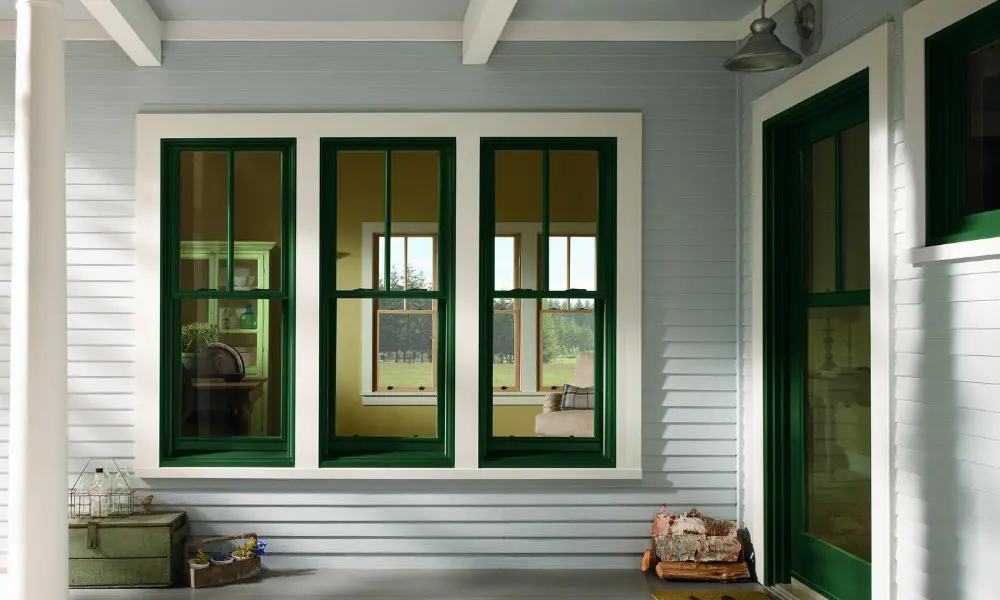
Among the three types, Aluminum hung windows stand out for their classic design, space efficiency, and practicality. Hung windows come in two main styles: single-hung and double-hung.
- Single-Hung Windows: Only the bottom sash moves, while the top sash remains fixed.
- Double-Hung Windows: Both the top and bottom sashes can move independently, offering greater ventilation and flexibility.
Let’s dive into the specific advantages of hung windows to see why they’re such an enduringly popular choice.
Key Benefits of Hung Windows
- Space Efficiency: Since hung windows slide vertically, they don’t protrude outward or inward. This makes them a fantastic solution for tight spaces, walkways, or areas with nearby landscaping.
- Versatile Ventilation: The ability to open either the top or bottom sash (in double-hung styles) lets you control airflow based on your needs.
- Ease of Maintenance: Many modern double-hung windows allow the sashes to tilt inward, making it easy to clean the glass without needing a ladder or professional help, even for upper floors.
- Classic Appeal: Hung windows have a timeless design that pairs well with traditional and contemporary architectural styles alike.
- Child Safety Features: Double-hung windows offer an added safety benefit—you can keep the bottom sash closed while opening the top sash for ventilation, reducing the risk of falls or injuries for households with small children.
- Cost Effectiveness: Compared to some other types of windows, single-hung models are often more affordable, making them a practical choice for budget-conscious homeowners.
Where Hung Windows Work Best
Hung windows are incredibly versatile and can be installed in just about any room of the house. Here are some ideal locations:
Bedrooms: Their classic design suits a wide range of decor, and double-hung windows allow for safe ventilation.
Living Rooms: They complement traditional or modern home interiors while letting in plenty of natural light.
Bathrooms: The space-saving design makes them perfect for smaller bathrooms. Frosted or textured glass can enhance privacy.
Hallways/Attics: Because they don’t open outward, they’re a smart solution for narrow hallways or attic spaces with limited room.
How to Pick the Right Window Style for You
When choosing between louver, casement, and hung windows, it’s essential to consider your specific priorities:
- For Maximum Ventilation: Louver and casement windows are the go-to choices for airflow.
- For Space Efficiency: Hung windows shine in compact areas, thanks to their sliding design.
- For Energy Efficiency: Casement windows tend to seal more effectively, but double-hung windows give you control over airflow without over-reliance on HVAC systems.
- For Timeless Appeal: Hung windows offer a traditional aesthetic that has stood the test of time, while louver windows deliver modern, minimalist charm.
Selecting the right windows is about balancing functionality with aesthetics, and luckily, options like louver, casement, and hung windows cater to nearly every need. Among these, hung windows are a timeless, practical solution, offering a mix of style, ventilation flexibility, and space efficiency.