Why does proper attic ventilation extend roof life?
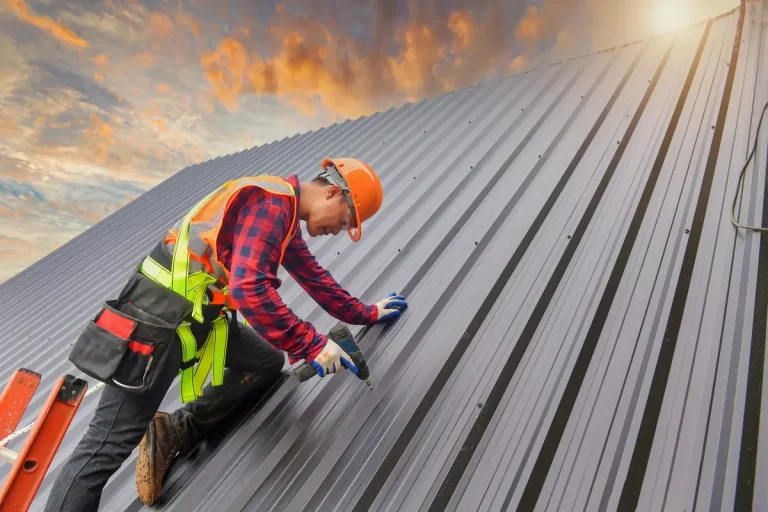
Attic ventilation controls temperature and moisture conditions that directly affect roof material durability and performance. Poor airflow creates destructive environments where heat buildup and humidity accelerate deterioration processes. roofing services emphasise the importance of ventilation because proper airflow can double the roof’s lifespan compared to inadequately ventilated spaces. Strategic ventilation installation protects roofing investments while preventing premature replacement costs.
Temperature control
Excessive attic heat damages roofing materials through thermal stress and accelerated aging processes. Without adequate ventilation, summer attic temperatures reach 150-180°F, causing asphalt shingles to become brittle and crack prematurely. These extreme temperatures also cause roof decking to expand and contract repeatedly, loosening fasteners and creating structural problems. High heat softens shingle adhesives, allowing wind uplift during storms. The constant thermal cycling weakens material bonds while accelerating oil evaporation from asphalt components. This process reduces shingle flexibility and protective qualities over time. The relentless heat exposure transforms flexible roofing materials into rigid surfaces that crack under normal weather stress.
Proper ventilation maintains attic temperatures within 10-15°F of outside air temperature. This temperature control eliminates thermal stress while preserving material integrity throughout the roof’s intended lifespan. Cool attics also reduce cooling costs by preventing heat transfer into living spaces below, creating additional energy savings that offset ventilation installation costs.
Ice dam elimination
Ice dams form when warm attic air melts snow unevenly across the roof surfaces, causing water to refreeze at colder eave areas. This ice buildup forces melting water back under shingles, creating leaks and potential structural damage throughout the winter months. The cycle repeats with each snowfall, building increasingly thick ice barriers that can weigh thousands of pounds. Poor ventilation allows heat to escape through roof surfaces, creating temperature differentials that promote ice dam formation. These conditions force melting snow to flow down roof slopes until it reaches cold eave areas where it refreezes into thick ice barriers. The trapped water finds entry points under shingles, causing interior damage that may not become apparent until the spring thaw.
Proper ventilation prevents ice dam formation by maintaining consistent roof surface temperatures. Cold ventilation air keeps the entire roof at ambient temperature, preventing selective snow melting that creates dangerous ice accumulation. This protection eliminates expensive water damage repairs while extending material life through reduced freeze-thaw cycling stress.
Airflow system design
Balanced ventilation requires equal amounts of intake and exhaust ventilation area to function effectively. Intake vents installed in soffit areas allow cool outside air to enter attic spaces, while exhaust vents at ridge lines permit hot air to escape naturally through the stack effect. For every 150 square feet of attic space, one square foot of ventilation should be provided, evenly divided between intake and exhaust locations. This ratio ensures adequate air movement without creating pressure imbalances that reduce system effectiveness. Key ventilation components include:
- Soffit vents providing continuous intake airflow from eaves
- Ridge vents allowing natural exhaust at roof peaks
- Gable vents supporting cross-ventilation in certain designs
- Powered fans for supplemental air movement when needed
The natural stack effect drives air movement by raising warm air through upper vents, creating negative pressure that pulls fresh air into lower intake points. Proper attic ventilation extends roof life by controlling the two primary enemies of roofing materials – excessive heat and trapped moisture. Homeowners who prioritize ventilation enjoy roofs that perform reliably for decades beyond typical replacement schedules.