Child- and Pet-Safe Fencing: Practical Design Tweaks That Prevent Escapes
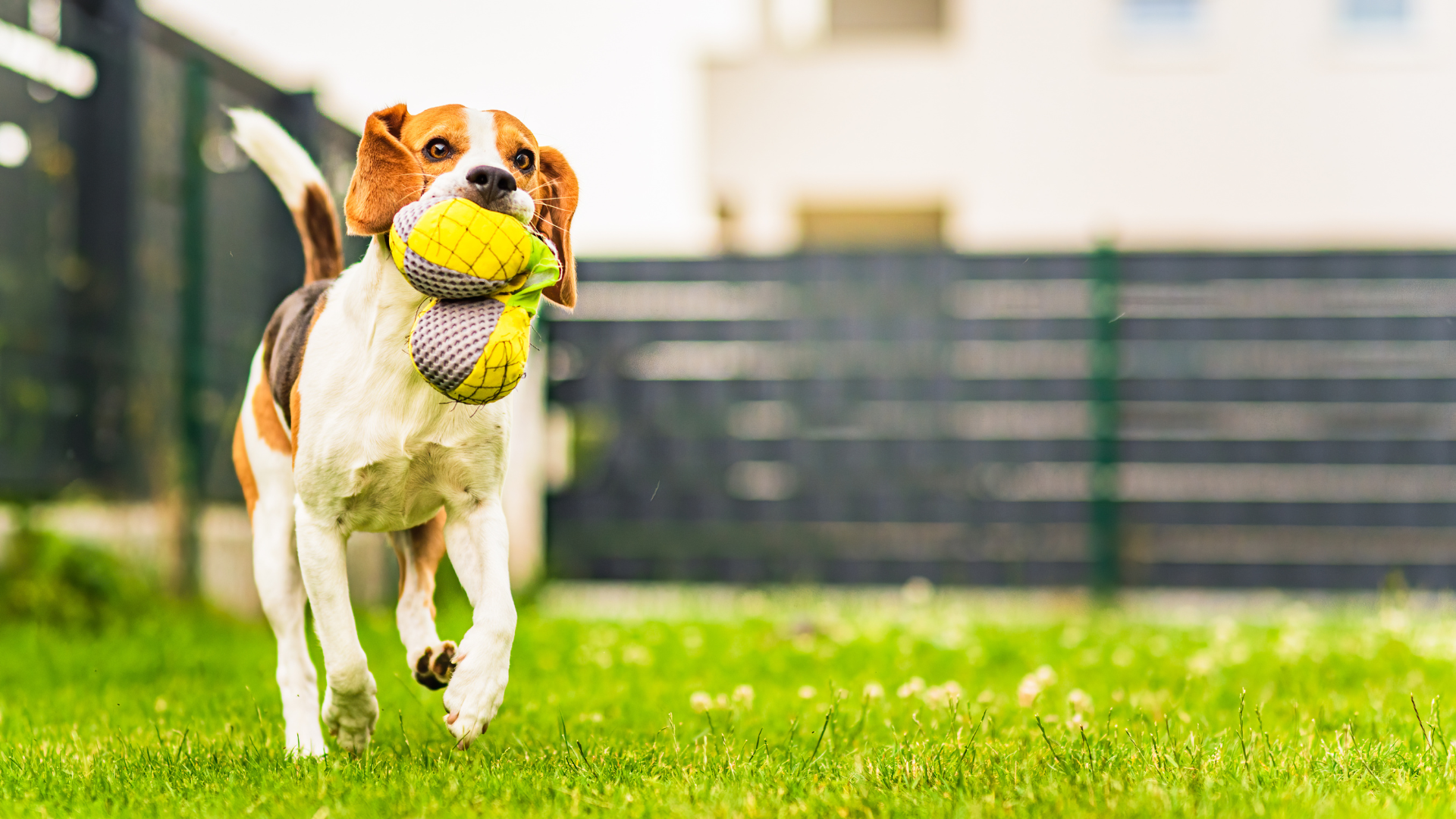
If you share your garden with children or pets, your fence has a clear job to do. It must contain, protect, and still look good. As a fencing contractor who has built and repaired thousands of fences, I have seen what works and what fails. If you are searching for fencing near me and want a design that stops escapes, this guide sets out the details that keep kids safe and pets secure while keeping your space tidy and calm.
Why child and pet safety needs a fence plan
A safe fence is not only about height. Small details make the difference. Latch positions stop curious hands. Ground clearance prevents digging. Rail layout stops climbing. Well placed posts and braces stop a gate from sagging. Thoughtful choices reduce the chance of a break, a loose panel, or a gap that turns into an escape route. When you work with fencing contractors near me, ask about these small but critical tweaks. They set a reliable job apart from a quick fix.
The main risks and how fences fail
Escapes happen in the same handful of ways:
- Gaps under the fence where the soil has settled or a pet has started a burrow
- Loose or split boards that create a foot hold or a push point
- Climbable rails on the garden side that make a ladder
- Gates with latches set too low or that do not self close
- Posts that have moved, which throws the gate out of square and opens a gap
- Panels that rack in the wind and pull nails or screws over time
Each risk is simple to manage if you build with the right clearances, fixings, and hardware from the start. If you already have issues, search for fence repair near me and ask for a safety survey tied to child and pet needs before you agree to any work.
Height: pick the line that fits your family and pets
Height is your first control. For small dogs, 1.2 m may be enough. For jumpers or larger breeds, 1.5 m or 1.8 m is safer. For cats, height helps but layout matters more. For children, height should make climbing hard and slow. Choose a height that fits the tallest or boldest member of your household, then match the design to remove toe holds. Taller is not always better if rails or decorative cut outs make climbing easy. A well built 1.5 m closeboard with a clean inner face often beats a 1.8 m panel with horizontal rails that act like steps.
Gaps and spacing: limit the footholds and squeeze points
Panel gaps set the tone for safety. For child – safe designs, avoid wide horizontal gaps that invite a head or limb to pass through. For dogs, limit any gap to smaller than the narrowest part of the head. For cats, slats do not slow them down, so use solid styles or add a smooth capping strip to remove purchase. On picket styles, reduce picket spacing and round over the top to remove sharp points. Hit – and – miss fencing adds airflow while cutting sight lines, yet keep the overlap firm to deny a grip.
The ground line: stop digging and prevent roll outs
Ground clearance matters. Leave too much and a small dog or toy ball slides under. Leave none and wet soil rots timber. Aim for a modest gap of about 25 mm to 40 mm, then add a simple dig defence in known scratch zones. A treated gravel board will protect the panel edge and give a solid line pets cannot chew through. For dedicated diggers, set a short run of buried mesh or a concrete toe. Tie this into the posts so it cannot shift. If you are on a slope, step the fence rather than leaving a long triangular void under a level panel.
Rails and climb resistance: keep the inside face clean
Fit rails and arris rails on the neighbour side if you need to reduce climbing from inside your garden. Many families do this as a safety choice, then finish the garden side with capping for a clean face. If you must keep rails inside, pick vertical rails, not horizontal ones. Vertical rails are harder to climb. Slatted screens look smart, but horizontal slats act like a ladder. If you love that look, plan for tighter slat spacing and a smooth top rail to make the last move hard.
Gate design: the number one escape point
Most escapes happen at the gate. Build the gate like a door, not like a flimsy panel. Use a full frame with diagonal bracing set from bottom hinge to top latch side. This keeps the gate square. Fit two heavy hinges and a drop bolt on double gates. Use a proper keep so the latch tongue cannot slip past in wind. Add a self – closing hinge if the gate sits between house and garden or near a road. Add a gate stop so the latch engages the same way each time. Keep the underside gap modest and match it to the fence’s gravel board height. Many owners solve fence gaps but forget the 80 mm gap under the gate that a small dog sees as an exit.
Latch height and hardware placement
Fit the main latch at 1.5 m or higher to slow curious hands. Add a second safety latch at the top rail on the garden side. Use shielded latches that hide the release lever, or a simple magnetic latch that needs a firm pull to open. For higher risk zones, add a keyed lock that you keep on the inside hook so it is near but not dangling in reach. Tidy hardware stops snags. Smooth off bolts that pass through the gate and use dome nuts for a flush finish.
Posts and foundations: strength that lasts
Child – and pet – safe fencing is only safe if it stays upright. Choose post size and footing to suit your ground and wind exposure. A typical garden can use 100 x 100 mm timber posts at 600 mm to 750 mm depth in firm ground. Exposed sites and heavy gates need more. Concrete or steel posts give more stiffness and shrug off rot at ground level. Add concrete spurs to rescue leaning timber posts without a full rebuild. Good foundations make a huge difference to safety and cost in the long term.
Panel choices for safety and privacy
Closeboard is the workhorse for safe gardens. It gives a solid face, resists wind when built right, and has no hand – sized gaps. Featheredge boards flex a little under impact and recover better than thin lap panels. If you want a lighter look, choose hit – and – miss with tight overlap. For front gardens, picket styles are fine for children when gaps are small and tops are smooth, but they suit calm dogs better than jumpers. Decorative tops look nice but watch for spear points and sharp edges. A flat top with capping is kinder and safer.
Composite, timber, and metal: pick a material that fits real life
Each option brings pros and cons. Timber is easy to repair and blends with most homes. Use pressure – treated boards and let them dry before you stain. Composite can reduce upkeep and helps where moisture is a constant problem. Steel or aluminium suits gates that need strength with lower weight. When you compare composite fencing cost, look at the full life cycle. You will pay more at the start, but you save on sanding, staining, and panel swap – outs. In wet shade or next to busy play areas, those savings show up in real time saved.
Visibility and sight lines: calm minds, safer spaces
Many dogs bark at what they can see and hear. Solid fencing reduces sight lines and helps cut trigger moments. For nervous dogs or children who prefer privacy, a solid fence with a small top trellis can block ground – level views while letting light in at the top. If you want airflow, choose hit – and – miss over wide horizontal slats. You can also plant a soft hedge inside the fence line to add a second barrier and absorb noise.
Noise, roads, and distractions
If your garden backs onto a road or path, plan for a fence that manages noise and distraction. A heavier board, a double skin at the lower third, or a dense screen of planting behind the fence can help. Add a tight closing seal at the gate to stop rattle. Use rubber gate stops to soften closing and remove the sudden bang that can startle young children or pets.
Planning pointers without the headaches
Most domestic rear garden fences in England sit up to 2 m without planning. Near highways and front gardens the limits are lower. If in doubt, ask before you build. A good fencing contractor will help you avoid missteps. Set boundaries from deeds or a measured survey. Avoid planting posts on top of shared drains. Mark cable runs. Use clear lines and talk to neighbours before you set the first post. Early chats save time.
Weather, wind, and storm readiness
High winds test a fence. More posts and shorter bays spread the load. Arris rails with drive – in fixings add strength. Gravel boards reduce rot and help panels clear wet soil. Avoid cheap, thin lap panels that sag and split. If you face open fields, use concrete posts and rock – solid footings. For large double gates, add ground drop bolts and a receiver in concrete. After storms, walk the line, tighten fixings, and add spurs where needed. Search fence repair near me if you see lean or racking.
Gates for small children and pets: extra details
Consider a secondary inner gate for play zones. A light 900 mm picket with a simple latch creates a safe buffer when the main garden gate opens. For side passages, a tall closeboard gate with no cross rails on the inside face reduces climbing. Fit a peep hole for line of sight rather than leaving gaps. If the gate opens onto a driveway, add a paving lip or a small rubber threshold so balls cannot roll into the road.
Surfaces and edging near the fence
The strip next to the fence matters. Mulch is soft but easy to dig. Gravel is less alluring for diggers and drains well. A simple concrete mowing edge inside the fence line deters digging and keeps a neat edge for strimming. It also protects the base of timber boards from splashes. Keep play equipment away from the fence by a safe margin to remove climb assists.
Hardware and fixings that hold up
Use exterior – grade screws, not nails, for key connections. Stainless steel or coated fixings resist rust and keep their grip. Hidden clips on composite systems prevent chew points and reduce snagging. On timber, pre – drill close to board edges to prevent splits. On gates, use long bolts through the frame and add timber plugs or dome nuts for a smooth finish.
Maintenance that actually prevents escapes
Set a simple schedule. In spring, check every post and gate for movement. Repack soil around posts that have settled. In summer, recoat timber where stain has thinned. In autumn, clear leaves that trap moisture. After high winds, check latches and hinges. Tack a quick maintenance list to the inside of your shed door. Small actions keep larger repairs at bay and make your fence safer day to day.
Matching safety with garden style
A safe fence can still look sharp. Choose colours that suit your home. Dark stains recede and make greenery pop. Light stains feel fresh around play areas. Mix fence types across zones to match the use. A closeboard run around the perimeter with a lighter, lower picket around a vegetable patch keeps space open yet safe. Coordinate gates and fittings so the full line reads as one design.
Working with local ground and Leeds conditions
Clay moves with the seasons. Sand drains fast but can slump in heavy rain. Shale holds firm but can be hard to dig. In and around Leeds, mixed ground means footings vary from house to house. If you are choosing fencing contractors for a job in the city or nearby towns, check they size posts and footings to your soil, not a fixed template. If you want a sense check on local norms and styles, the fencing contractors page shows how typical Leeds gardens balance privacy, safety, and line of sight.
Choosing the right installer
When you sift through fencing companies near me, look for clear plans and photos of recent child – and pet – safe jobs. Ask how they will handle ground gaps, gate bracing, latch height, and digging deterrents. Good fencers near me will talk through the risks before they cut the first post. If a quote is vague on those points, ask for detail. A strong method statement speaks to a careful build.
Budgeting without cutting safety
Set your budget around the risks you need to solve. Spend on posts, footings, and gate hardware first. If funds are tight, phase the job. Start with the gate and the most exposed run. Add dig defence where your pet already digs. Upgrade panels next season. When people try to do it all at once with too light a spec, they end up paying more in repairs. A staged plan with the right priorities costs less and keeps your family safe.
Timber care that earns its keep
Let new timber dry before staining so the coating bonds well. Clean off mill glaze and dust. Use a brush for edges and a pad for boards. Work dry days and out of full sun to avoid lap marks. Keep vegetation trimmed back from the fence. Air flow keeps boards dry and sound. These plain steps add years to a fence and reduce failure points.
Common mistakes and how to avoid them
- Rails on the garden side that turn into a ladder
- A big gap under the gate that a small dog uses in seconds
- Hinges that are too light for the gate weight
- Posts set too shallow for soft ground
- Slatted panels in windy spots that rack and loosen over time
- Latches set low where a child can flip them open
Spot these in a plan and fix them before the build. It is far cheaper to set a deeper post or choose a heavier hinge than to rebuild a gate that sags in a month.
A quick design checklist you can use
Take this list into your next conversation with a fencing contractor near me:
- Height suits the boldest pet or most agile child
- Inner face is smooth with no footholds
- Ground gap is modest, with a gravel board or dig defence
- Gate is braced, self – closing where needed, and latched high
- Posts and footings match soil and exposure
- Fixings are corrosion resistant and sized for the load
- Maintenance plan set with simple seasonal checks
Tick these off and you will have a safe, tidy, long – lasting fence.
When repair is enough and when to replace
If the line is straight and posts are solid, targeted repairs can restore safety. Replace split boards, add a gravel board, and upgrade gate hardware. If posts are rotten or the whole line leans, a rebuild saves time and money in the medium term. A clear site survey will give you the right answer. Most fencing contractors near me can walk you through options in one visit.
Bringing it together
A child – and pet – safe fence is the result of many small choices done right. Height sets the baseline. Clean inner faces remove ladders. Ground lines stop digging. Gates hold square and close with purpose. Hardware sits out of reach. Posts stand firm in soil that suits the footing. Material choices match the way your family uses the garden. With a clear plan you can enjoy your space without worry, and your fence will need less attention year to year. If you want help shaping that plan or comparing options, you can browse our fencing services to see how we design, build, repair, and maintain safe garden boundaries for families and pets across the region. When you are ready to scope a project or book a survey, and you are searching for fence installation near me, start with a clear brief and the checklist above. If you need a second opinion or a firm quote, talk to a local fence company near me with a track record of safe, tidy, and durable work.