Everything You Should Know About Asphalt
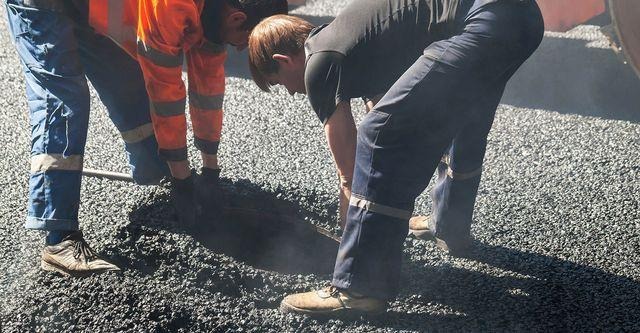
According to the studies and reports, more than ninety-four percent of paved roads in the US feature asphalt as the main component. The same thing goes for runways at commercial airports, which are predominantly surfaced with asphalt. At the same time, the most popular material for parking lots is asphalt, which is vital to remember.
The best way to learn more about asphalt is by entering here for additional information. Asphalt is also widely recognized as a blacktop, which is a composite material created by the combination of bitumen and aggregates.
We are talking about the mix of gravel, crushed stone and sand. Bitumen is sticky, dark material that holds everything together. You can make it in factory or on-site by using a mobile mixing plant.
Asphalt Applications You Should Remember
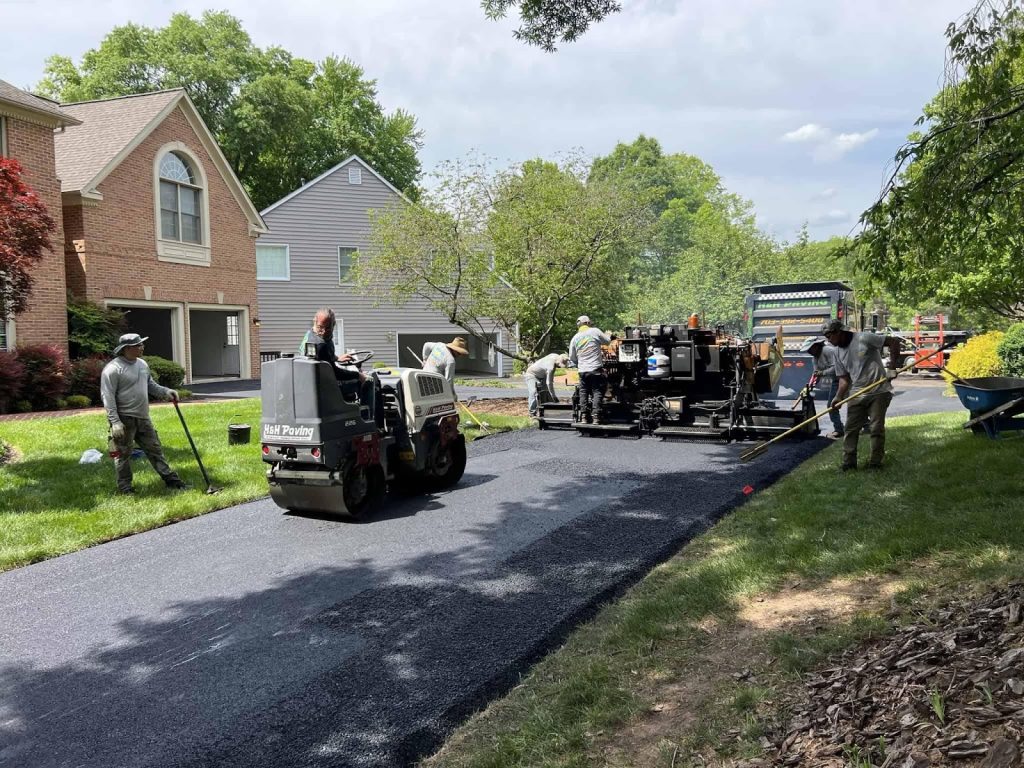
You should have in mind that asphalt is one of the most popular materials for runways and roads, but you can use it on other areas as well. It is a perfect surface for running or biking as well as other sports. Some playgrounds may feature asphalt as foundational material before pouring rubber as a form of cushion.
Asphalt is also used for construction and roofs. You can use it for marine applications, including dam facing and canal linings. The combination of affordability and durability of asphalt makes it perfect alternative to other options.
Benefits of Using Asphalt over Other Materials
- Lower Initial Expenses
You should know that asphalt is significantly more affordable initially than other residential materials such as concrete, especially if you wish to use it for driveways and other applications. We are talking about different factors including curing time, labor, material and finishing all add up for concrete, which is especially important during a hot weather condition.
Asphalt, on the other hand, can help you achieve durable, usable and sturdy surface with less expenses up-front, which makes it appealing for people with lower budgets. Still, you will improve curb appeal by installing it.
- Fast and Simple to Install
When it comes to asphalt, you can ensure that everything can be laid, compacted and ready in short period, especially useful during the warm weather when it is tighter to handle the process. Remember that concrete requires more time for curing before you can use it for driving, which may delay the entire process for a parking lot or driveway.
Suppose you have a busy household or business. In that case, asphalt will provide you a minimal disruption especially if you are in busy metropolitan area. Check out this website: https://www2.gov.bc.ca/assets/gov/driving-and-transportation/transportation-infrastructure/highway-bridge-maintenance/pavement-marking/asphaltpavementmaintenance.pdf to learn more about pavement maintenance.
- Flexible Performance
Everything depends on where you reside, which is why you should remember that areas with warm and hot summers are perfect. Of course, it can withstand harsh conditions even coldest climates, but you must ask a contractor to provide you with the appropriate mixture that will stand the test of time.
Concrete handles heat well and will stay cooler to touch. However, harsh weather conditions are more likely to crack under heavy loads especially in areas with less shade. When you add asphalt, you can rest assured, because it can become softer in extreme heat, but it is resistant.
- Simple and Affordable Maintenance
You should know that asphalt surface is much simpler and affordable to repair, especially regarding patches, small cracks and overlaying that can happen without removing anything, which is vital to remember. When it comes to upkeep or maintenance, you should know that regular conditioning will ensure the proper condition and increase its durability altogether.
Concrete may require less frequent maintenance, but as soon as the crack arises, repairs require additional price tag, especially because you need a contractor to handle the tedious process.
- Visual and Aesthetic Benefit
You should remember that the dark surface of asphalt is perfect for hiding tire marks and oil stains, especially compared with light-colored concrete. At the same time, it is helpful for drives near workshops, parking areas and busy streets. Asphalt provides better contrast when you are driving in wet weather and low light, especially regarding visibility.
The smoothness is another benefit, which can help you deal with the entire process. That way, you will ensure the quieter wear under the traffic. Regarding residential driveways, asphalt layers are between thirty and forty millimeters thick based on the load and condition.
If you have a surface that undergoes heavy loads such as trucks and vehicles, you need to add at least forty millimeters thickness, which can go up to fifty. That way, you can avoid premature failure, rutting and deformation.
On the other hand, when you take advantage of concrete driveways, you will have thicker sections, specific finishes and reinforcements that should depend on local conditions.
- Traveler and Business Friendly
You should know that asphalt roads do not require extensive site preparation and curing time, meaning traffic is permitted a few days after the rollers finish their work. They can be paved just a single lane at a time, which minimizes disruption to citizens, while reducing overall congestions through speedy projects.
That way, you can save taxpayers thousands of dollars in user delays. Since you can handle the projects in matter of day, even overnight, you can leave routes open for travelers, meaning it is more accessible option than concrete and other solutions you can choose. You should check out more about Asphalt Contractor in Morrison Park, which is available on following address:
- Eco-Friendly
As mentioned at the beginning, you should remember that asphalt is a 100% recyclable, meaning you can rest assured. The asphalt industry reuses and recycles a hundred million tons of asphalt pavements each year, which saves approximately two billion dollars annually.
Asphalt requires twenty percent less energy to produce and construct compared with other pavement materials. At the same time, regarding post-consumer waste such as shingles and tires can also be used for making asphalt pavement, which directly affects the landfill space and conserving natural resources.