How to Handle Problems with a Fabric Recliner Sofa
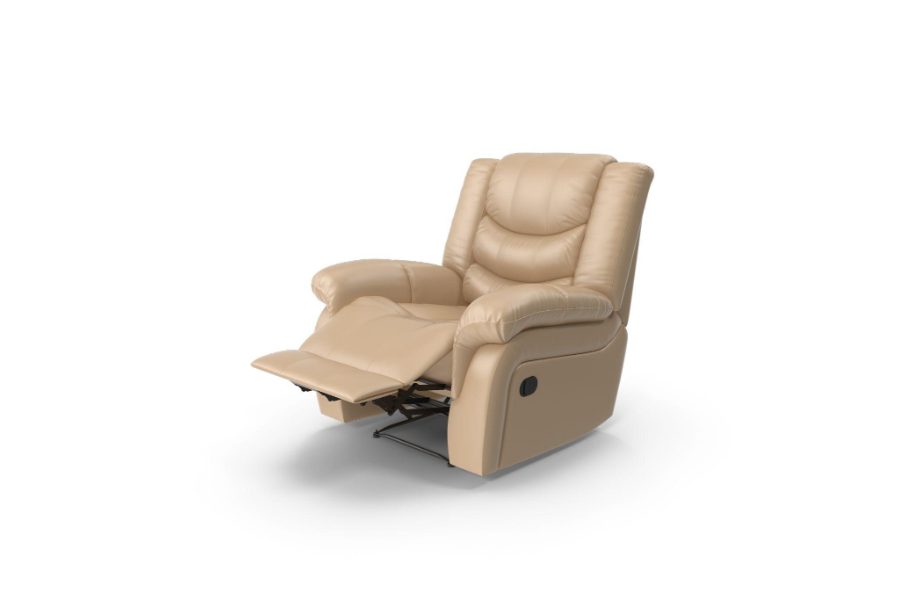
A fabric recliner sofa promises comfort, enjoyment, and a cosy spot to unwind. Most people imagine movie nights, quiet reading hours, or stress-free lounging the moment it enters the home. But as many homeowners eventually discover, even the most comfortable furniture can present unexpected issues. Understanding what to do when things go wrong helps you respond confidently rather than panic, especially when browsing options across any furniture shop in Singapore.
When the Recliner Mechanism Feels Tight or Stiff
One of the most common concerns people face with new recliners is a mechanism that feels firmer than expected. High-quality mechanisms often require several uses before moving smoothly, similar to how new upholstery foam softens over time. Many moving parts need a brief break-in period.
If the mechanism feels unusually stiff, begin by using the recliner gradually. Avoid forcing the footrest or backrest, as this can misalign internal components. If stiffness persists after repeated use, check for fabric obstruction or loose threads caught within the mechanism.
When the Recliner Feels Uneven or Tilts Slightly
A subtle tilt or uneven feeling doesn’t always indicate a structural issue. Recliners often rely on evenly balanced footing, and a small imbalance in floor level can cause the sofa to sit awkwardly. Many homes have slight flooring gradients, especially near doorways or balcony frames.
The first step is to reposition the recliner on a different surface. Try adjusting its placement or adding protective pads under the legs for support. If the uneven feeling remains, examine the frame for loose screws, which can happen during transport. Recliners transported through lifts or tight corridors may experience slight shifts.
When the Fabric Shows Unexpected Creasing or Wrinkles
Fabric creasing is another concern new sofa owners face. After a fabric recliner sofa is unboxed and installed, loose areas of upholstery may appear wrinkled or uneven. This happens because fabric stretched tightly during production settles naturally during use.
If creasing looks excessive, gently smooth the fabric toward the seams using your hands. Regular sitting helps the upholstery adapt to your body weight, which often reduces visible wrinkles. Cushions may also require occasional plumping to restore shape.
When Spills or Stains Happen Sooner Than Expected
Life happens around sofas. Instead of reacting with stress, treat spills on a fabric recliner sofa as opportunities to apply proper fabric care. Start by checking the sofa’s cleaning code, typically labelled as W (water-based cleaner), S (solvent-based cleaner), WS (either), or X (vacuum only). Using the wrong cleaner can worsen stains.
Clean spills immediately by blotting, not rubbing. Use a clean cloth and follow the correct cleaning method for your fabric type. For more stubborn marks, occasional professional cleaning can help maintain the appearance and extend sofa longevity.
When the Recliner Makes Noise During Movement
A squeak or clicking sound may appear alarming, but recliners contain several interconnected metal components that shift under pressure. Over time, friction between parts may create occasional noises.
To resolve mild noise, gently lubricate the mechanism’s non-fabric-contact areas using a suitable furniture-safe lubricant. Avoid using oil sprays that may drip onto the fabric. If the noise persists, the recliner may need a quick alignment check.
When the Recliner Doesn’t Fully Close or Lock in Place
Improper closure often reflects two possible causes: an obstruction inside the mechanism or incorrect body positioning during closing. Recliners depend on balanced pressure. Applying force at an angle can cause the footrest to resist locking.
Try closing the recliner by applying firm, even pressure with your legs while leaning forward. If this doesn’t solve the issue, inspect for loose threads or items that may have slipped beneath the seat. Toys, remote controls, or even folded blankets can interfere with the mechanism unknowingly.
When the Sofa Feels Too Firm or Too Soft After Purchase
Comfort changes naturally during the first few months of ownership. High-density foam used in many fabric recliner sofa models softens slowly, providing long-term support. Softer foams compress more quickly, leading to perceived unevenness.
During this adjustment phase, vary your sitting position to encourage even distribution. If the sofa still feels uncomfortable after the break-in period, reconsider whether your comfort expectations align with the sofa’s design.
Conclusion
A fabric recliner sofa is designed for comfort, but like any piece of furniture with moving parts and soft materials, issues can arise. By understanding what to do when things go wrong, you take control of your sofa’s performance and longevity. Whether you’re shopping in a furniture shop in Singapore or settling into a new recliner at home, realistic expectations and proactive solutions help ensure your sofa remains a reliable companion for relaxation. With the right approach, even unexpected problems turn into manageable, everyday moments.
Want a recliner that fits your routine? Reach out to Cellini Design Center and explore options designed for comfort and easy maintenance today.